I came on the March of the Living as a student and returned 20 years later to close a personal circle
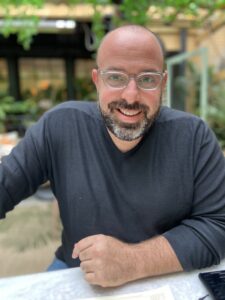
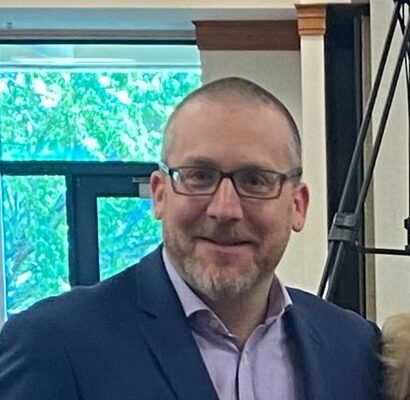
Jon Warech
March of the Living alumnus
As a Miami high school kid who couldn’t afford to do all of the things in life, I was given the choice of going on the Miami March of the Living, a trip to the concentration camps in Poland followed by a week in Israel, or High School in Israel, an entire semester of fun in the sun in the Jewish homeland.
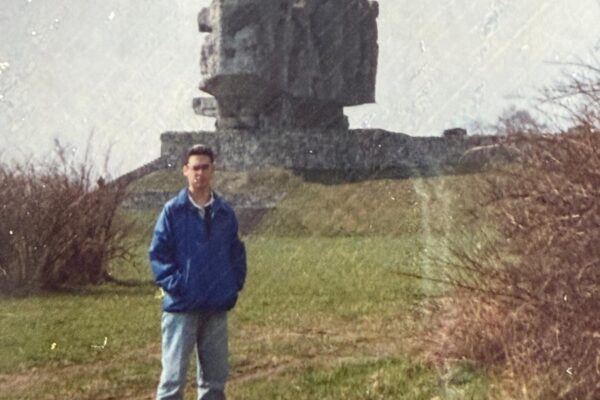
I chose Auschwitz. I wanted to be a witness. I wanted to see things firsthand. But, most importantly, I wanted to feel something. I wanted a reason to cry. Even as a 17-year-old, my kind of Judaism was one that tugged at the heartstrings.
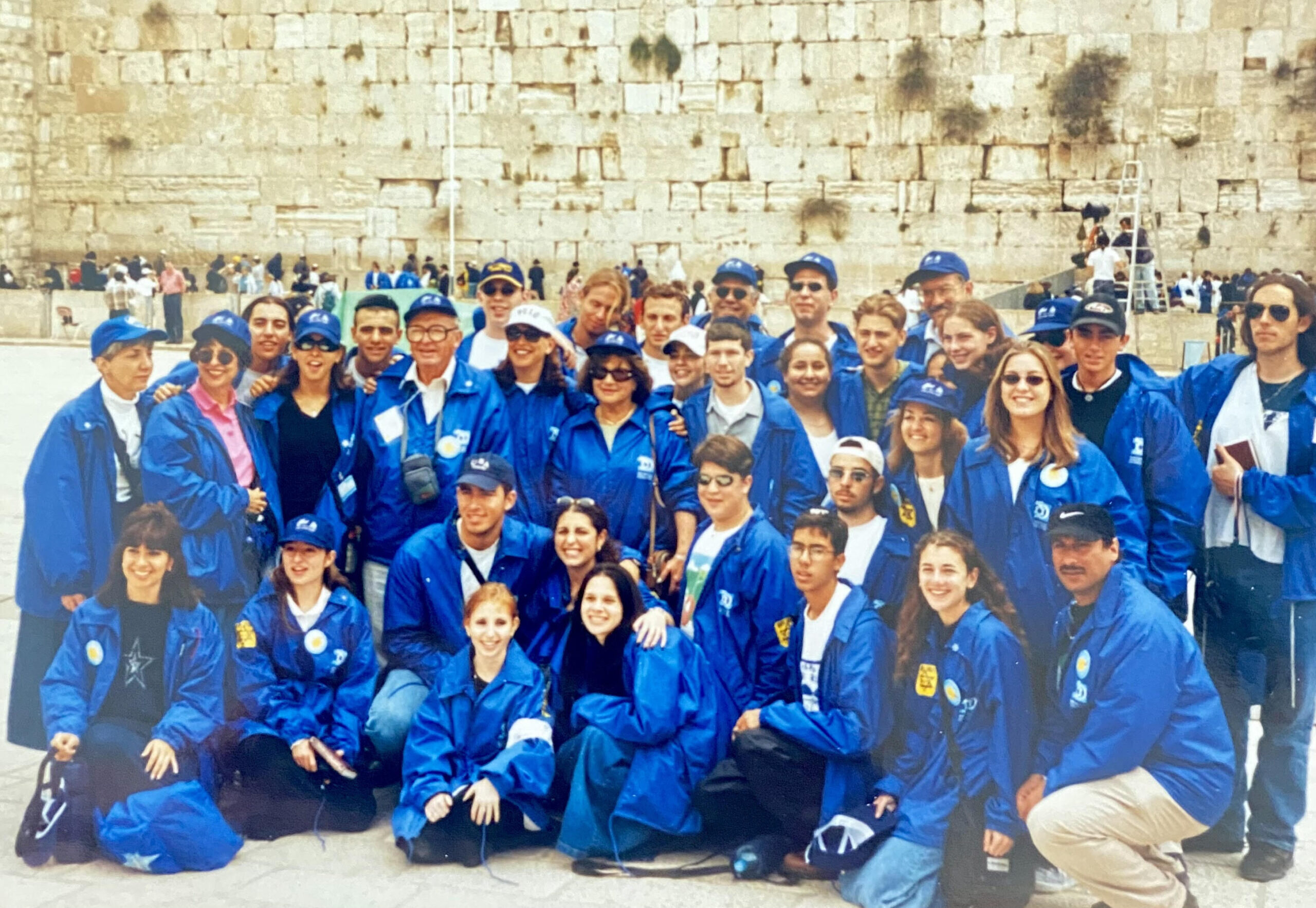
So, I packed my bags, threw on my blue jacket, and headed on a flight to Warsaw with what at the time felt like the entire Miami community. This year marked the 50th anniversary of the State of Israel, so it was set to be a monumental March.
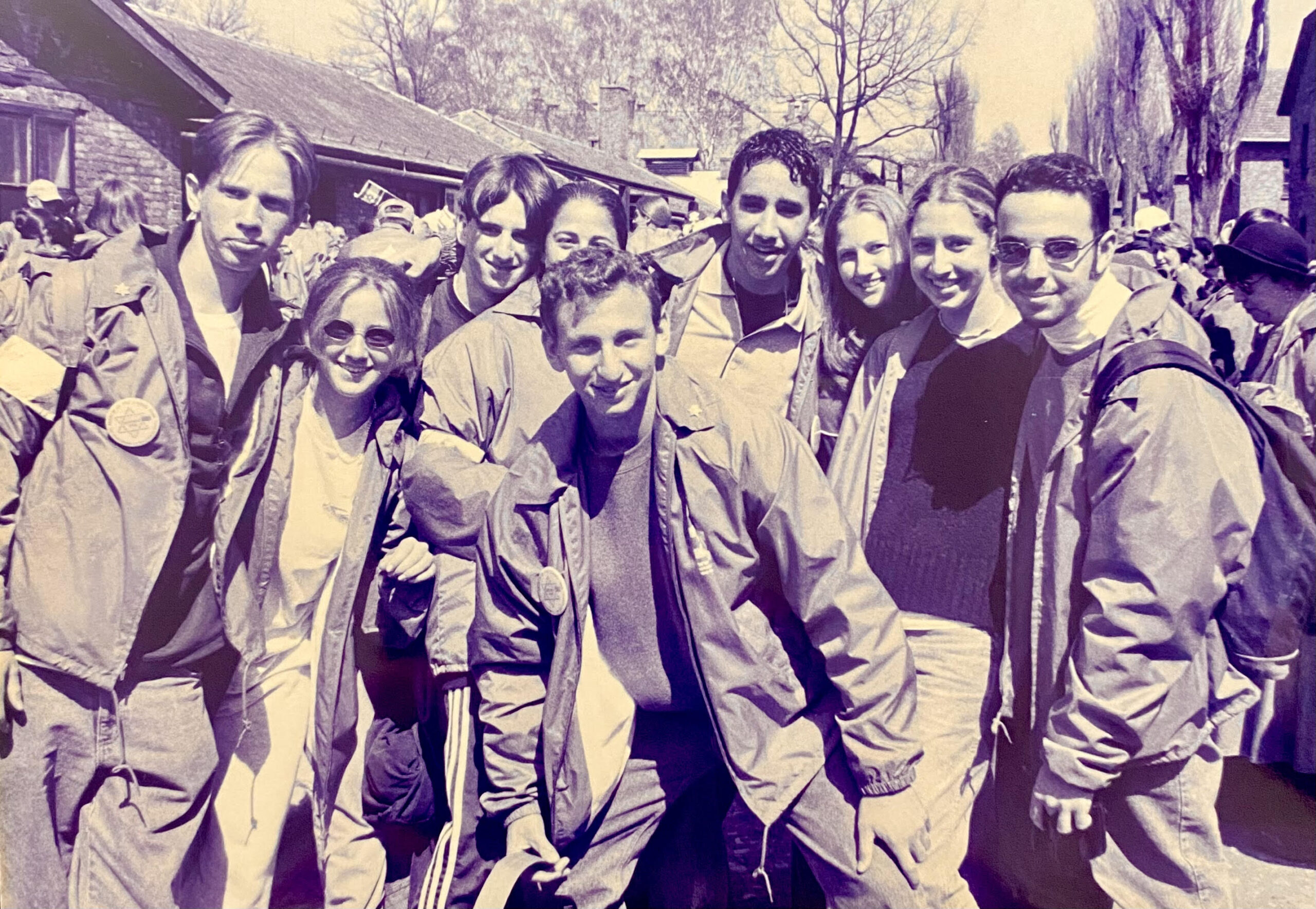
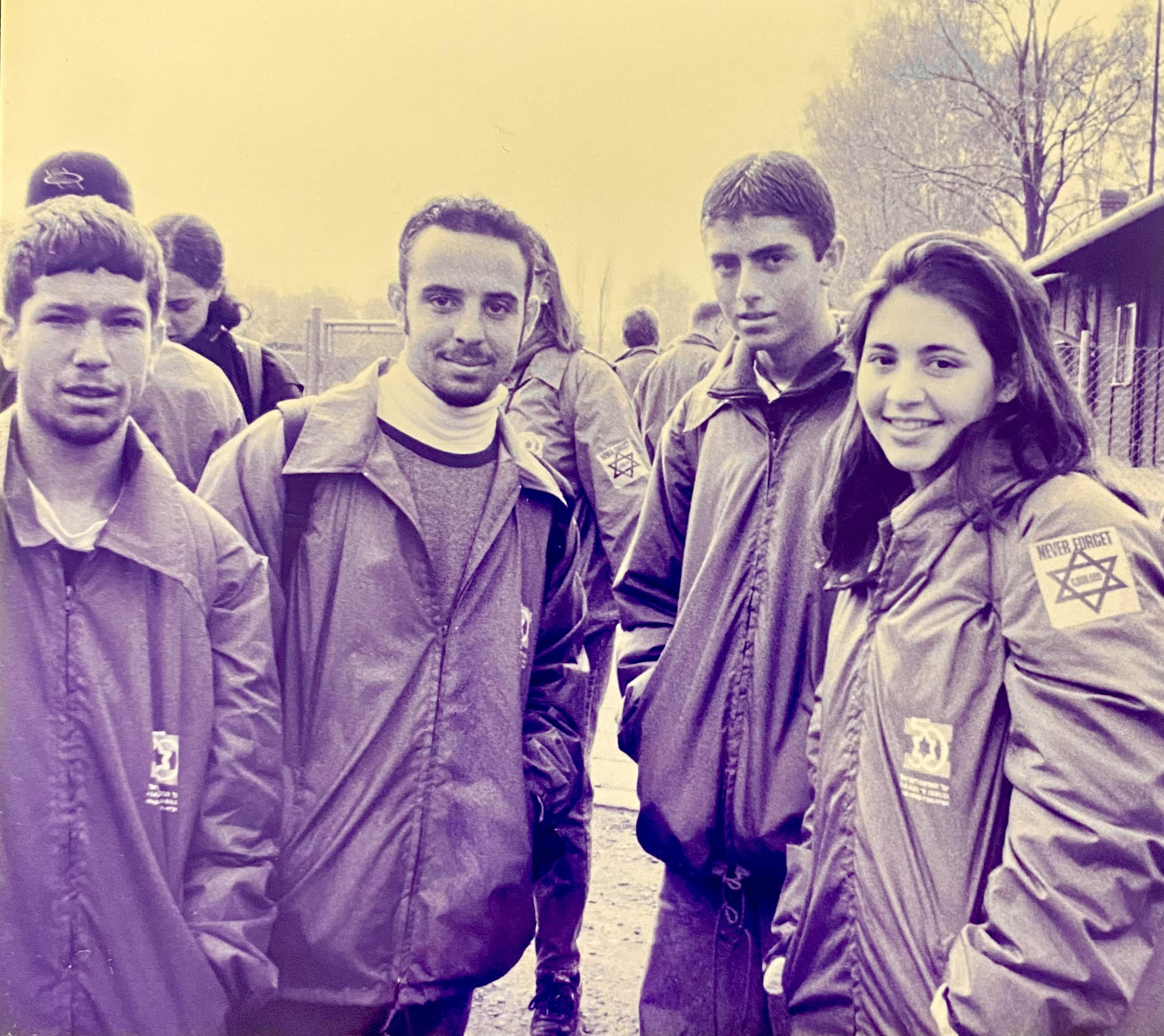
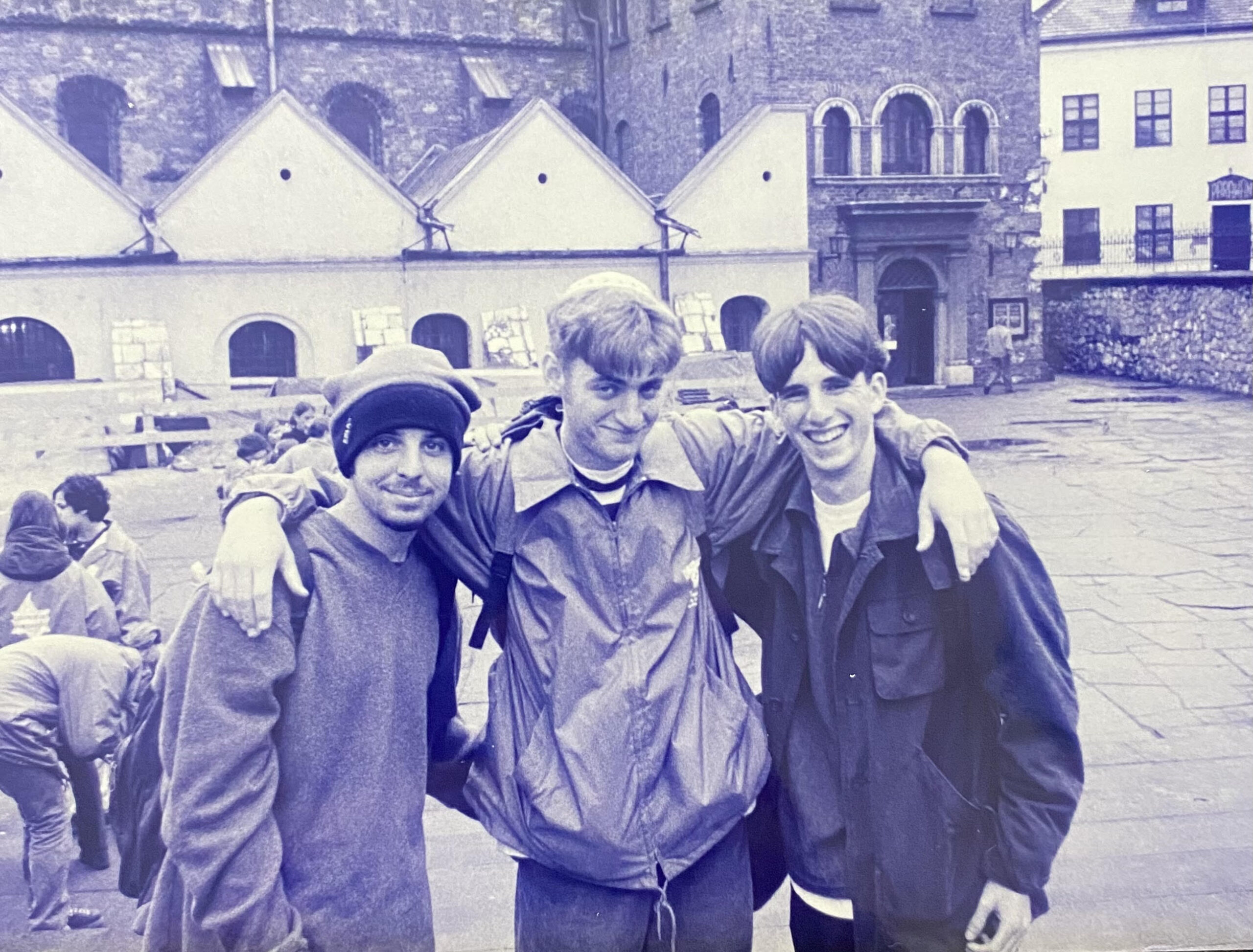
But, on the first day, I messed the whole thing up.
On CAJE’s Miami trip, each bus oversaw a tekkes (ceremony), where students read poems, told stories and lead prayers for the entire group at each stop. It captured the moment. It moved us away from the history report and made us part of the story.
On the first day, my bus was chosen to lead at the Warsaw Ghetto Memorial –
a serious place, with a serious story. Our group got up in front of what felt like hundreds of students, adults and educators, and read poems and testimonials meant to spark the emotions that I yearned to experience. But, in the moment, whether out of nervousness or immaturity, I started to laugh. Uncontrollably.
Mark Baranek, my bus educator, looked back with an anger in his eyes. On day one, I had ruined the trip for everyone.
For years I dwelled on that experience. This disappointment would go on to define my life for the next 20 years. I thought my obituary would one day read, “Jon Warech: Survived by no one, laughed at the Holocaust.” I didn’t know it at the time, but what I needed was faith.
Twenty years, almost to the day, I found myself chaperoning the Miami’s Leo Martin March of the Living teens. I was now one of those adults in charge of making sure my bus was in the right place to lead our tekkes at Treblinka, the memorial at the sight of the extermination camp where more than 900,000 Jews were murdered.
Treblinka was also the first place I cried on the March of the Living in 1998. That year, Mark walked us over to the Wierzbnik gravestone and told us that one time both he and his father, survivor Martin Baranek, were leading groups on the March of the Living. He said that during that trip, when Martin walked over to visit the Wierzbnik stone to honor the family he lost, he saw a single rock on top of the stone. A rock symbolizes that a person is not forgotten. It’s a sign that someone was there. When Martin saw the rock on the Wierzbnik grave, he knew that Mark was there the day before.
The idea that this one rock could have so much meaning – that the connection not just from father to son, and not just from one Jewish person to another, but from generations of Jewish people sticking together to honor one another and continue our traditions – just hit me in ways I could not even imagine.
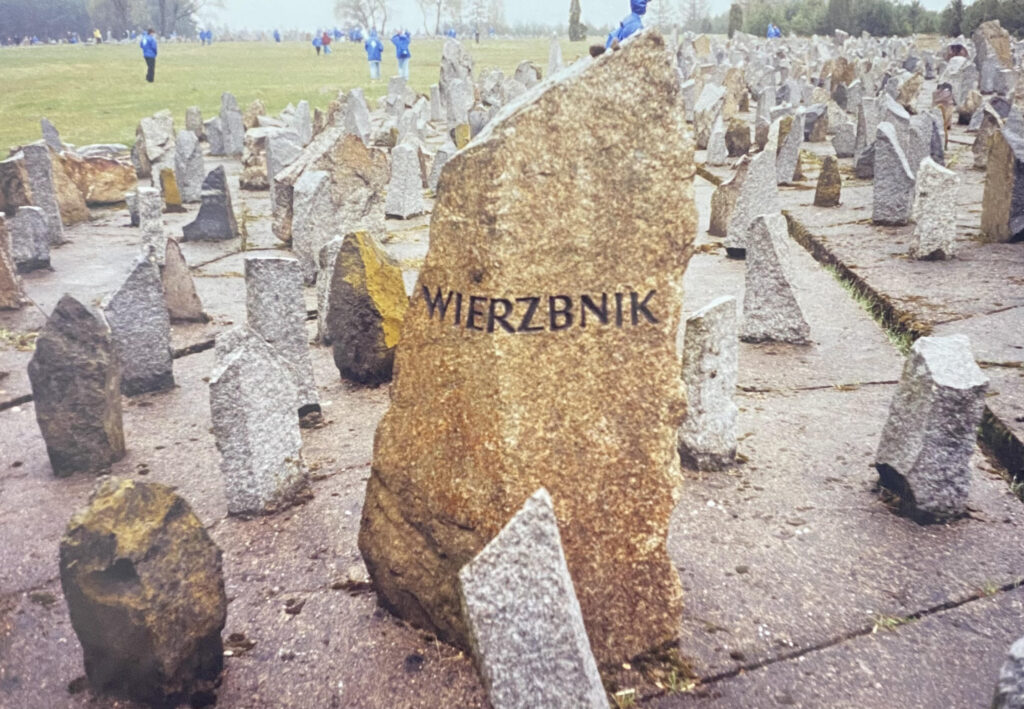
Twenty years, almost to the day, I found myself chaperoning the Miami’s Leo Martin March of the Living teens. I was now one of those adults in charge of making sure my bus was in the right place to lead our tekkes at Treblinka, the memorial at the sight of the extermination camp where more than 900,000 Jews were murdered.
Treblinka was also the first place I cried on the March of the Living in 1998. That year, Mark walked us over to the Wierzbnik gravestone and told us that one time both he and his father, survivor Martin Baranek, were leading groups on the March of the Living. He said that during that trip, when Martin walked over to visit the Wierzbnik stone to honor the family he lost, he saw a single rock on top of the stone. A rock symbolizes that a person is not forgotten. It’s a sign that someone was there. When Martin saw the rock on the Wierzbnik grave, he knew that Mark was there the day before.
The idea that this one rock could have so much meaning – that the connection not just from father to son, and not just from one Jewish person to another, but from generations of Jewish people sticking together to honor one another and continue our traditions – just hit me in ways I could not even imagine.
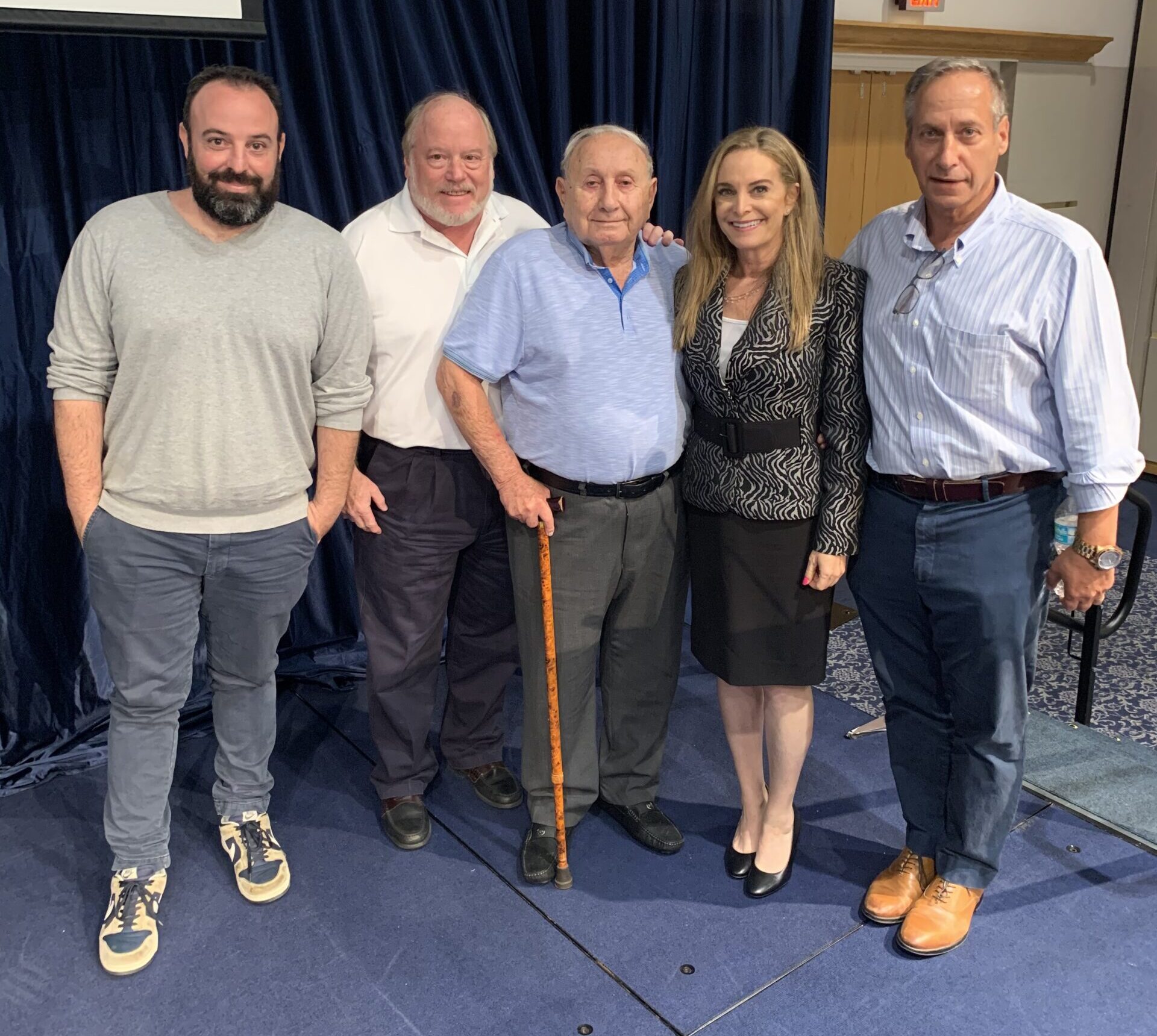
Twenty years later in the same spot, standing with an adult group from Miami, wearing his March of the Living blue jacket, was Mark Baranek.
I took a deep breath and went right up to him to introduce myself. He seemed genuinely happy to see me, almost as if he didn’t remember the thing that ruined our lives. He even rolled up his sleeve and showed me a silver ID bracelet that was inscribed from our bus in 1998. We bought that for him and not only was that what he remembered from the year, but it’s been on his arm ever since.
I looked around at the people – my people. I looked at the students – my students. I looked at Mark, standing a few feet in front of me in his blue jacket, just like he did in 1998. This time, with student Alexandra Fincheltub singing a heartbreaking version of “Sound of Silence,” tears rolled down my face instead of the insecure laughter of a child who couldn’t handle the moment. I knew God brought me there for a reason. I knew I wanted to be like Mark. I knew I wanted to do something bigger for this community. I knew that this moment was a second chance at an opportunity that no one in a million years would think was possible. I knew while standing there in Treblinka, that the vision that was planted in my brain was something only God could make happen: a career as a Jewish professional.
Three months later I was hired as the Director of the Hillel at Florida International University, a Jewish organization that creates out-of-the-classroom programming to guide future leaders in our Miami Jewish community. The following year I worked with FIU to purchase 5,000 copies of Martin Baranek’s memoir of survival, as the year’s required reading for incoming Freshmen. Martin came to campus to tell his story multiple times. I wore my blue jacket with pride.
The March changed my life. It only took three months – well, 20 years and three months.
“God Wears a Blue Jacket” is a modified excerpt from Warech’s upcoming memoir “Arm in Arm,” scheduled for release in 2027.