You can study gas chambers. You can read testimony. But stepping inside one erases the distance between history and reality.

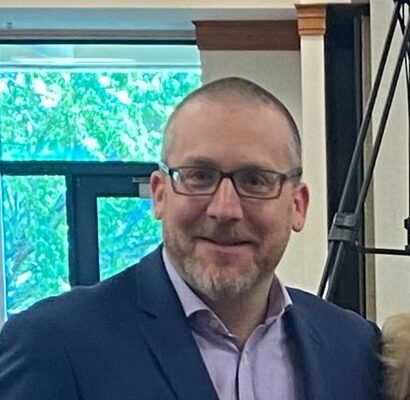
Stephen B Sokolow
1994 March of the Living alumnus
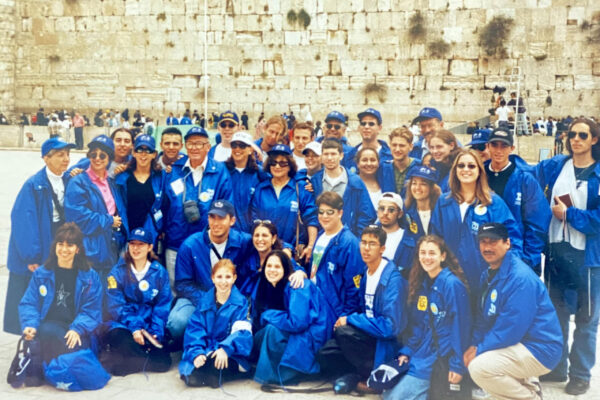
I went on the March of the Living in 11th grade, in 1994. Until then, I had never left the United States. I was a religious Jewish teenager attending public school, living in two worlds that didn’t always intersect — my daily American life and my Jewish identity. I thought I understood who I was. The March changed that permanently.
The preparation alone was unlike anything I had ever experienced. The education leading up to the trip felt less like a high-school program and more like earning a master’s degree in Holocaust history. Our teachers, Gene and Miles, were extraordinary. They did not simply teach dates, names, and events — they built a narrative of human beings, communities, and a civilization that once lived and breathed. By the time we left, I could practically draw blueprint maps of the camps from memory. I was in awe of both of them before the trip, and even more so during it. They didn’t just transmit information; they transmitted responsibility.
Still, nothing — absolutely nothing — could prepare me for standing in the places themselves.
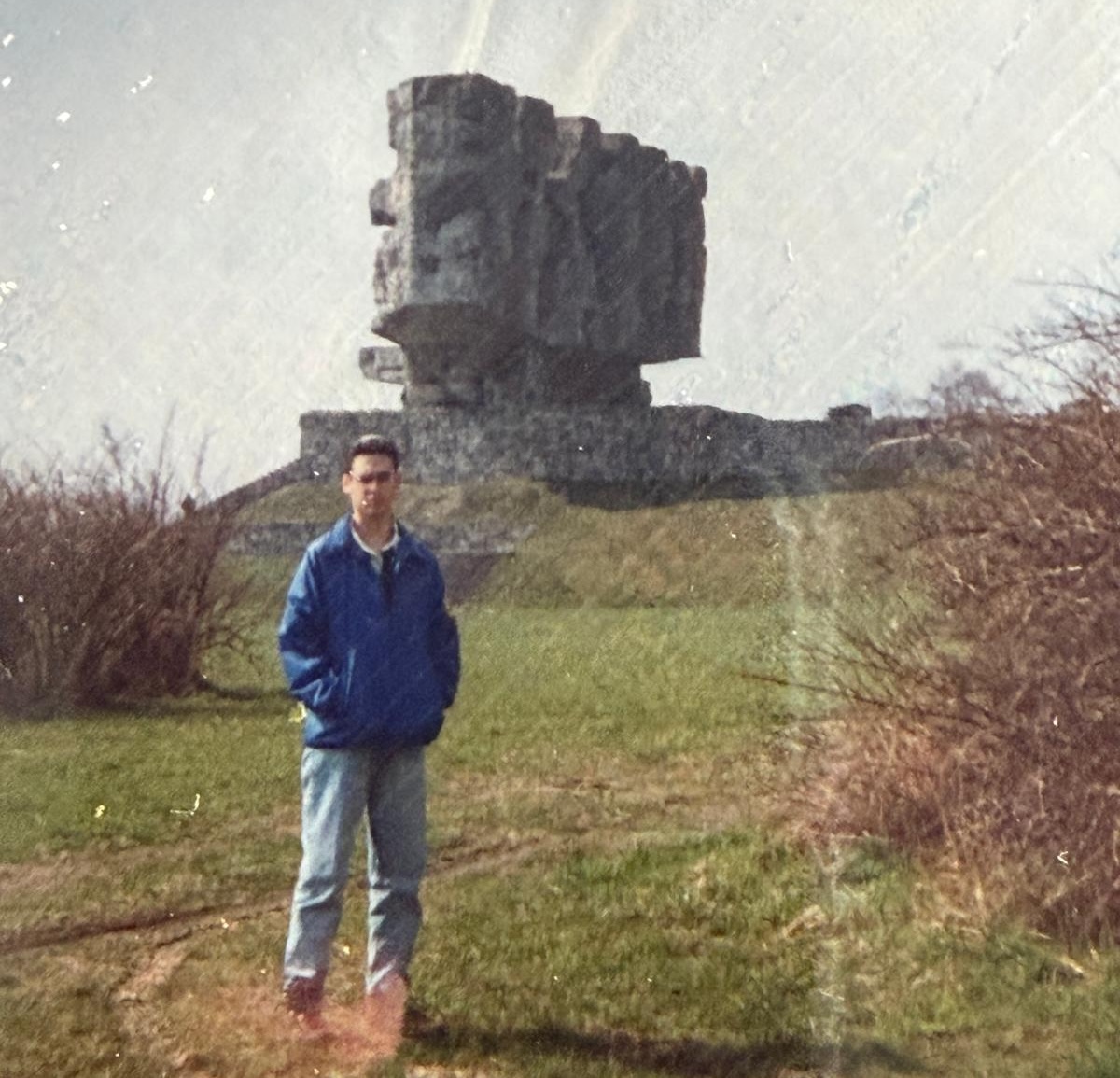
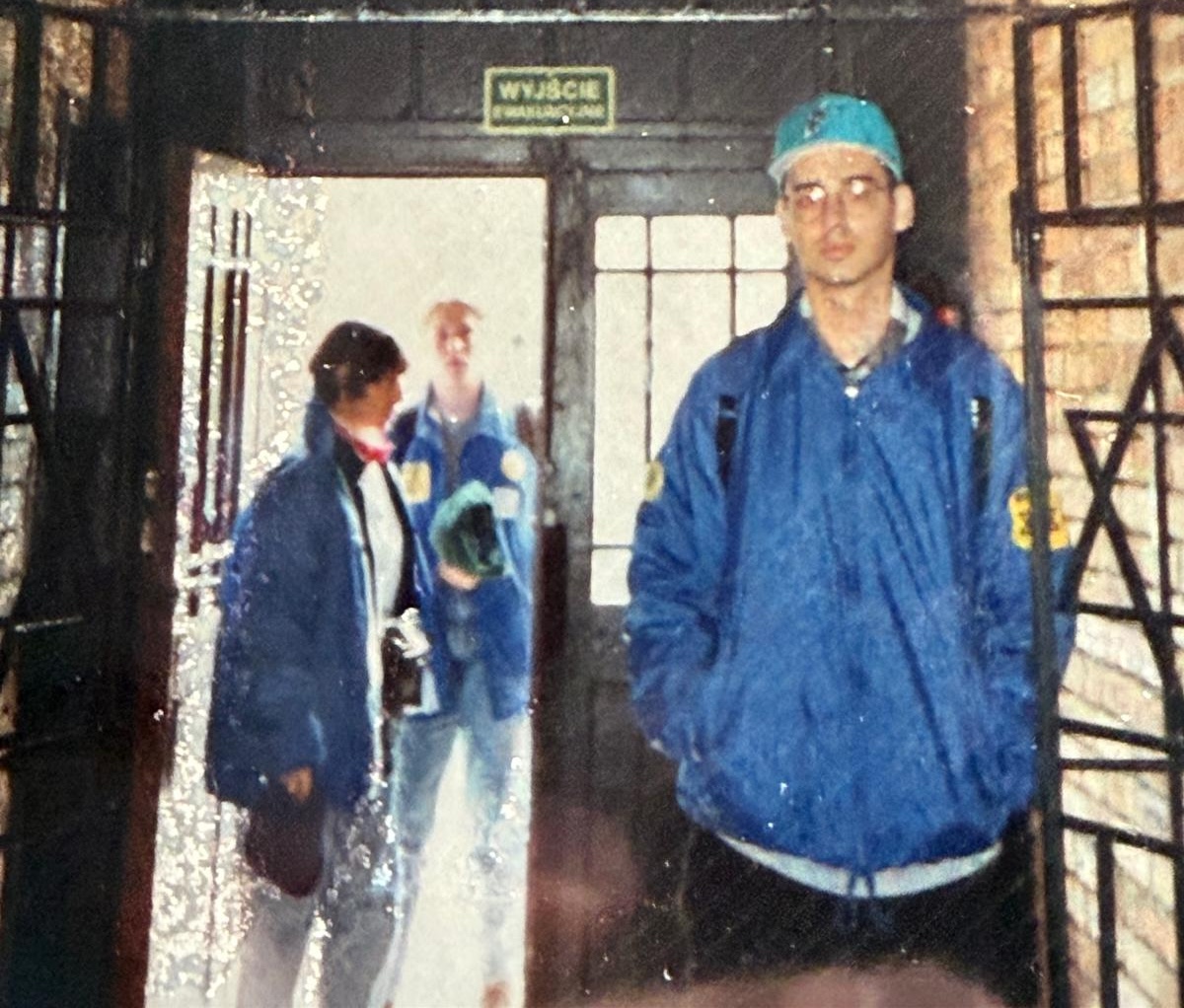
You can study gas chambers. You can read testimony. You can memorize camp layouts. But stepping inside one erases the distance between history and reality. I remember standing there and realizing that this was not a chapter in a book. This was a room where human beings walked in alive and never walked out. Seeing piles of eyeglasses and personal belongings affected me in a way no photograph ever could. Each pair of glasses had belonged to someone who had plans, relationships, arguments, jokes, and routines. Suddenly six million was no longer a number. It was individuals — multiplied beyond comprehension.
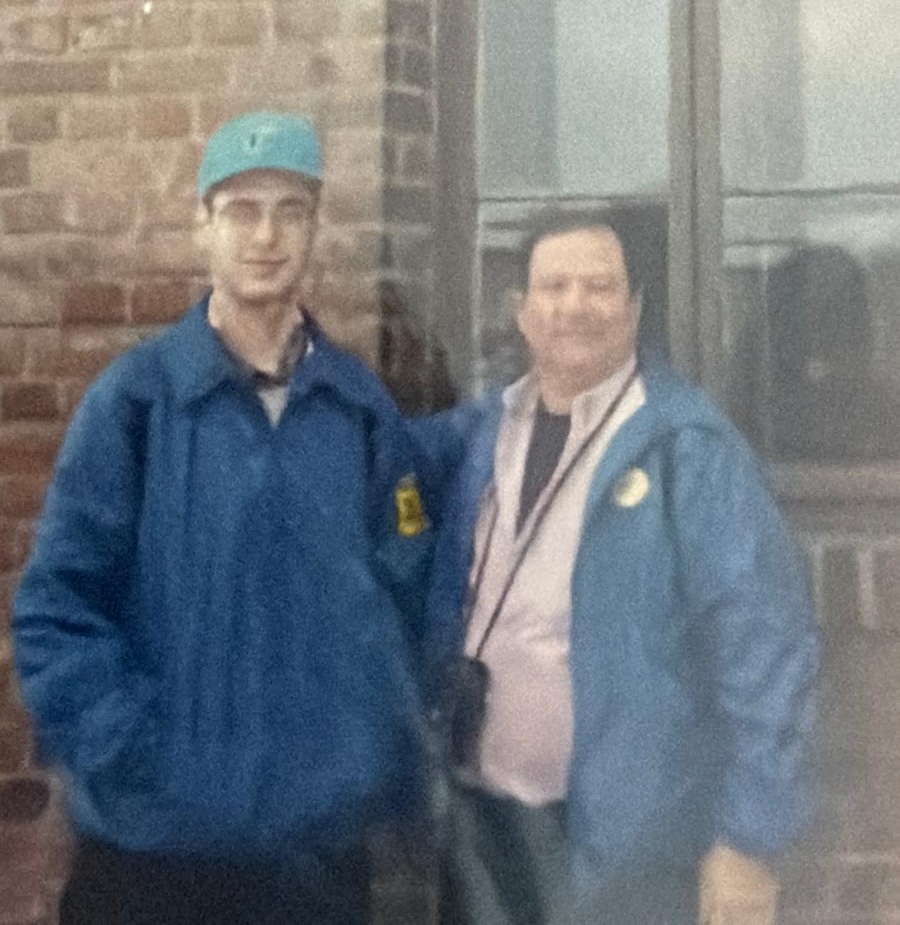
Another unexpected experience was the security presence. Israeli security teams guarded us closely everywhere we went. At the time, I had never been to Israel and had never really interacted with Israelis. Yet I became friends with the agent assigned to our group, Erez. He wasn’t just a guard — he was a protector, someone whose job existed because Jews must never again be defenseless. For the first time, I felt the difference between remembering Jewish history and living Jewish continuity. The existence of someone whose role was to protect Jewish life was itself a response to everything we had just witnessed.
Then came the moment that still echoes in my memory.
Before our flight from Poland to Israel took off, the pilot spoke in Hebrew. He said that we had experienced hell — and now he was taking us home. As he revved the engines and lifted into the sky, the emotional shift was overwhelming. We were leaving death and flying toward life.
I had never been to Israel, and honestly, my imagination was simple: deserts and camels. That changed instantly. As we flew along the coastline in the early morning hours, I was stunned by the beauty of the land. The Mediterranean shimmered beside cities full of light. I was overtaken by a feeling I didn’t expect — belonging. When I stepped off the plane, something inside me settled. I knew immediately that I never wanted to leave.
That week in Israel transformed mourning into continuity. We commemorated Yom HaZikron together with the entire country — sirens sounding, people standing still, a nation remembering as one body. Soon after, we danced in the streets with strangers celebrating Yom HaAtzmaut. I had never experienced a place where grief and joy existed side by side as parts of the same story. It was the clearest expression of Jewish survival I had ever seen: from ashes to independence within days.
The impact of the March did not end with the trip. In 2011, we made aliyah. Although circumstances eventually brought us back to the United States, we still see ourselves as connected to the land and intend to return. Israel stopped being a concept and became part of our identity. My children have all inherited the education I received from the March — not just facts about the Holocaust, but the responsibility that comes with memory.
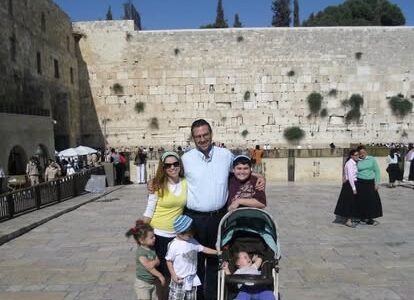
The lessons of the March feel even more relevant today. I learned that Jewish history is not only something to study; it is something to carry forward. The experience reshaped how I see my role in the world — as part of a people who endured destruction yet chose life, rebuilding, and continuity.
I am deeply grateful to the March of the Living for giving me that understanding. It didn’t simply teach me about the past. It gave me a direction for the future — one rooted in memory, responsibility, and belonging.