Passing the Torch:
The March That Changes Everything
Four alumni — three decades of marching — reflect on the experience that transformed their understanding of memory, identity, and responsibility.
In advance of the 2026 International March of the Living — taking place this year on Yom HaShoah, April 14 — we invited March alumni from across the generations to reflect on a single question: How did the March of the Living change your life?
The response was overwhelming. Hundreds of alumni, from those who marched in the early 1990s to participants who walked just last year, wrote to share their stories. What emerged was not nostalgia, but something far more urgent — a collective testimony to the enduring power of bearing witness.
The four winning essays, selected from among hundreds of submissions, span three decades of the March. Yet they share a remarkably common thread: each writer describes a moment when the Holocaust moved from abstraction to inheritance — when history became personal, and remembrance became responsibility.
As the generation of survivors continues to diminish, these voices remind us why the March of the Living matters now more than ever. They are the proof that memory, once received, can be carried forward — and that the torch, once passed, continues to burn.

My grandfather, Sidney Handler, participated in at least three times on the March of the Living during his lifetime. He did not return to Europe to dwell in death; he returned to bear witness. For him, the March was about continuity. Over time, it also became something deeply personal between us — a shared language of memory, responsibility, and hope.
I remember sitting at my grandparents' kitchen table in Newton, Massachusetts, listening to my grandfather speak about an upcoming trip he was leading with the March of the Living. I asked if I could go with him. Gently but firmly, he told me I was not yet prepared for the emotional weight of the March. He assured me, that one day I would go on the March of the Living.
Six years later, in 2024, I was leading the Holocaust Museum LA delegation to the march. I did it after earning my master's degree in Holocaust Studies from the University of Haifa, inspired by my grandfather's lifelong commitment to Holocaust education and remembrance.
I do not think a Jewish person has ever been so excited to "return" to Poland. The trip was meaningful in countless ways. What struck me most was the realization that I was walking in my grandfather's footsteps — not as a granddaughter holding his hand, but as an educator entrusted with carrying his story, and the stories of other survivors, forward.
Standing at Auschwitz changed me. I had studied the Holocaust for years. I knew the documents, the historiography, the testimonies. But walking the three kilometers from Auschwitz I to Birkenau, surrounded by thousands of Jews and allies from around the world, reshaped my understanding. The Holocaust was no longer only a subject I taught; it was a living inheritance I was responsible for transmitting.
My grandfather passed away on August 23, 2025. In the months since, I have felt the weight of that in-between space more acutely than ever. The March of the Living has become one of the enduring connectors between us — when he was alive and now after. It is where I feel closest to his voice, to his footsteps, to the promises we made to one another. I am no longer only the granddaughter listening at the kitchen table. I am now part of the generation responsible for safeguarding his memory.
Read the Full Article →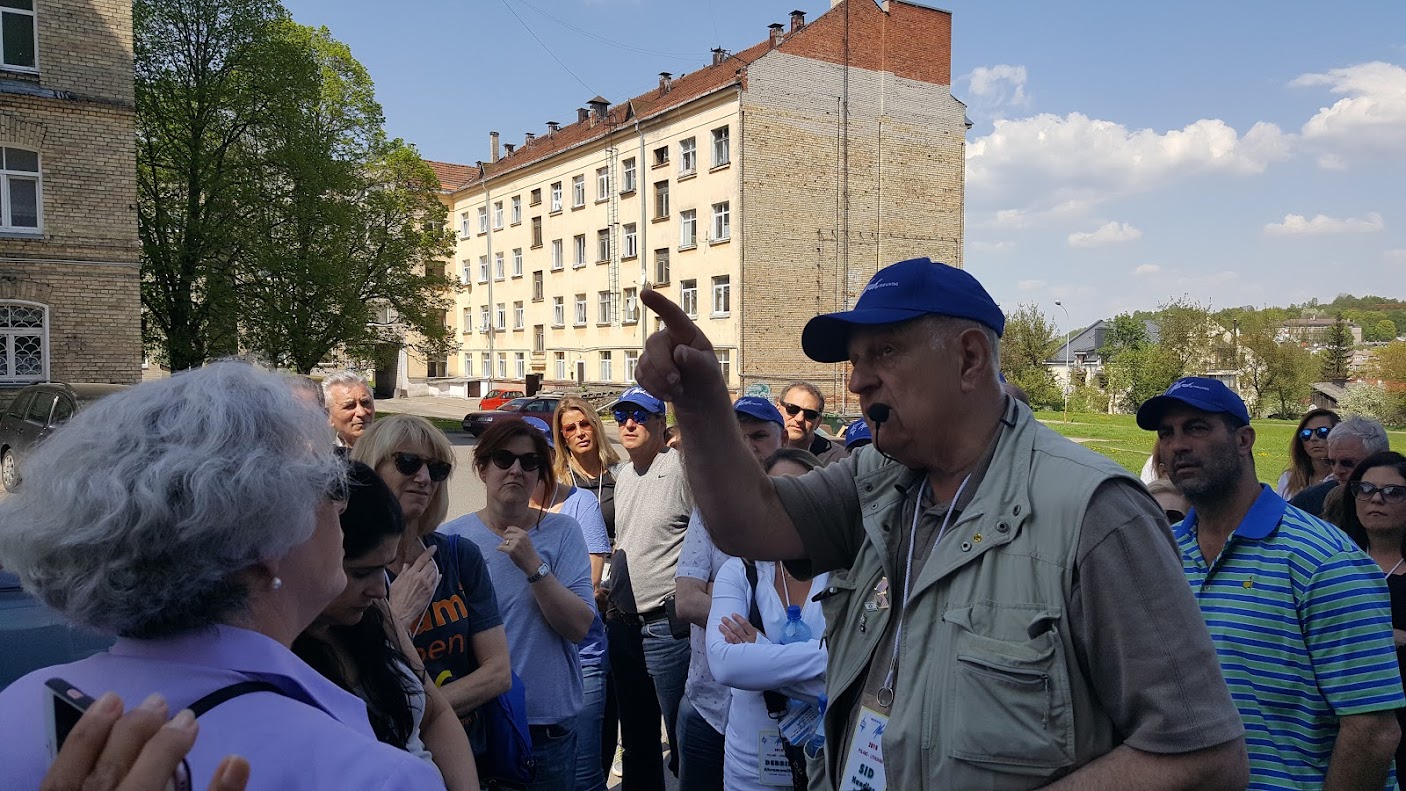
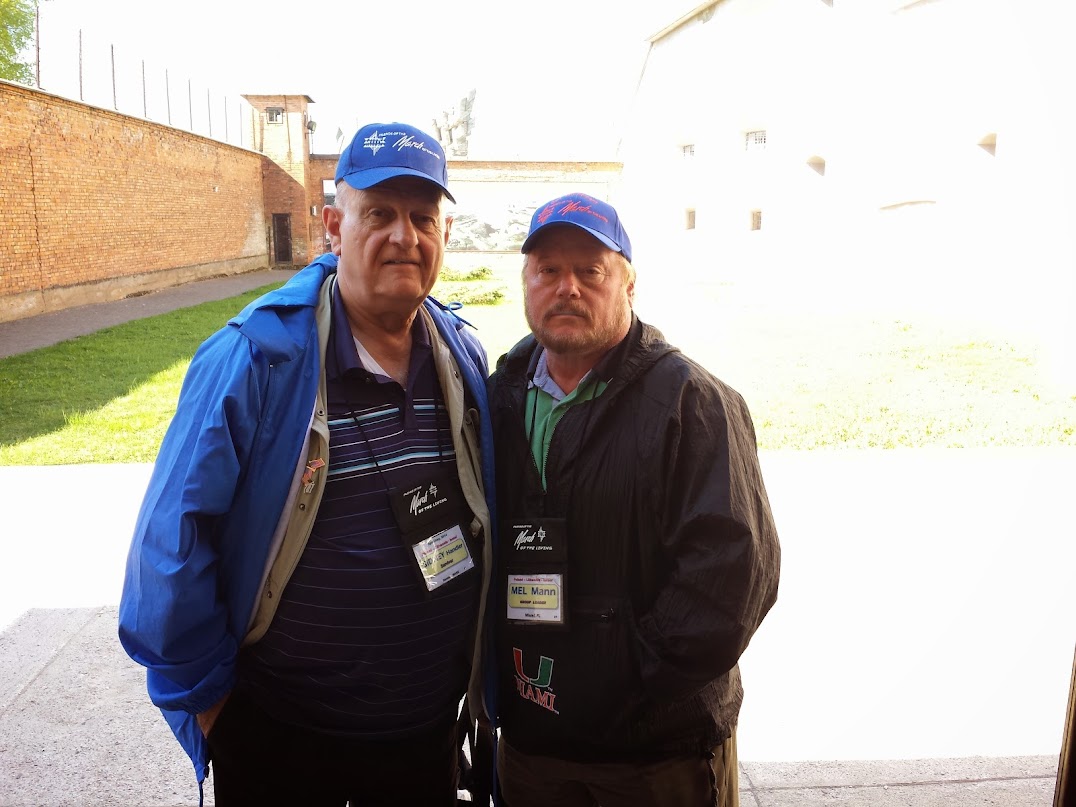
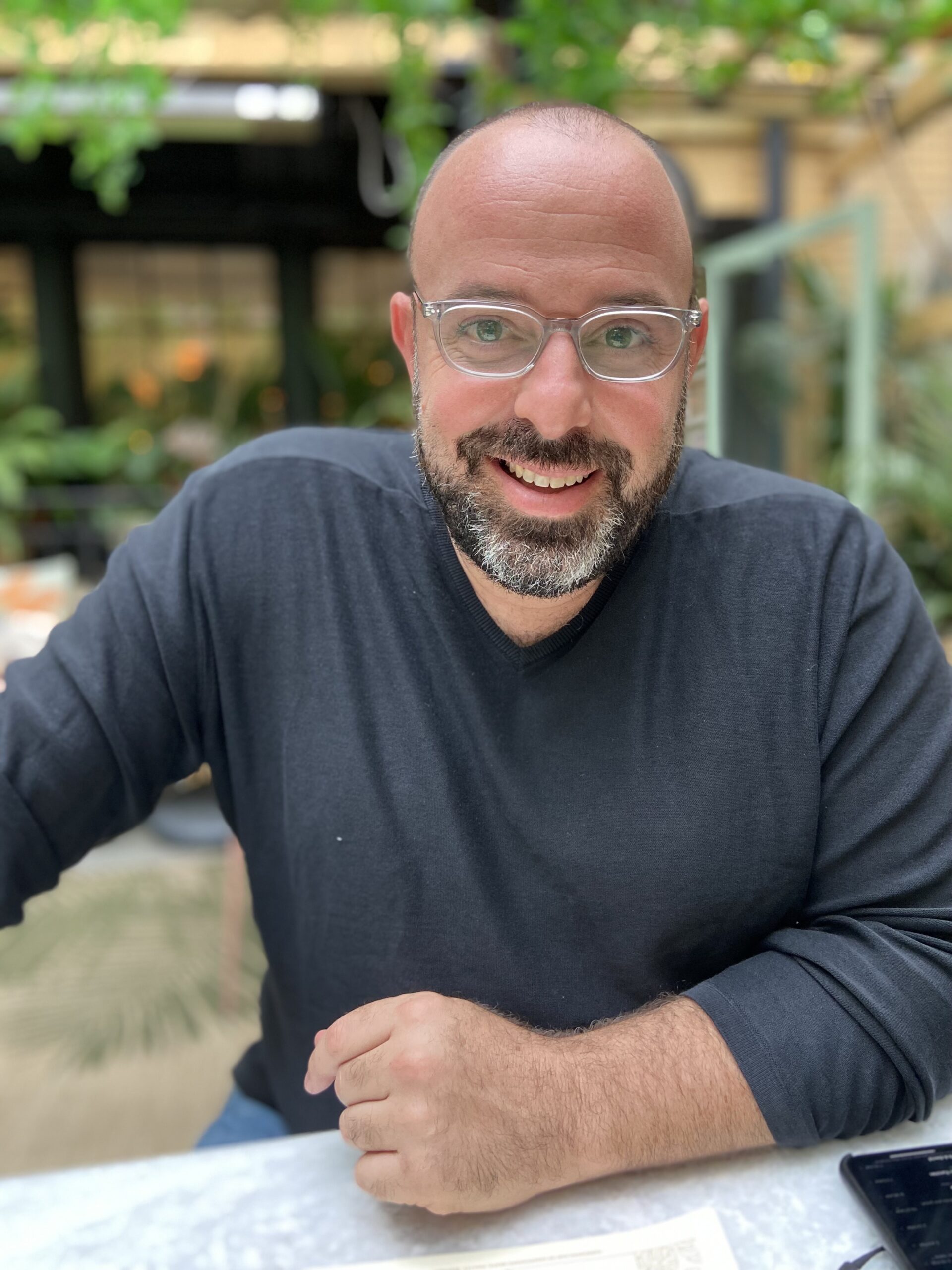
The March changed my life. It only took three months — well, 20 years and three months.
As a Miami high school kid who couldn't afford to do all of the things in life, I was given the choice of going on the Miami March of the Living, a trip to the concentration camps in Poland followed by a week in Israel, or High School in Israel, an entire semester of fun in the sun in the Jewish homeland.
I chose Auschwitz. I wanted to be a witness. I wanted to see things firsthand. But, most importantly, I wanted to feel something. I wanted a reason to cry. Even as a 17-year-old, my kind of Judaism was one that tugged at the heartstrings.
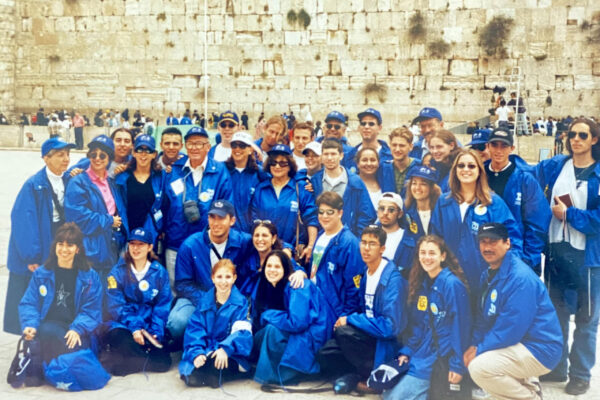
So, I packed my bags, threw on my blue jacket, and headed on a flight to Warsaw with what at the time felt like the entire Miami community. This year marked the 50th anniversary of the State of Israel, so it was set to be a monumental March.
But, on the first day, I messed the whole thing up. I laughed at the ceremony in Warsaw Ghetto Memorial site. For years I dwelled on that experience. This disappointment would go on to define my life for the next 20 years, until I found closure.
Read the Full Story →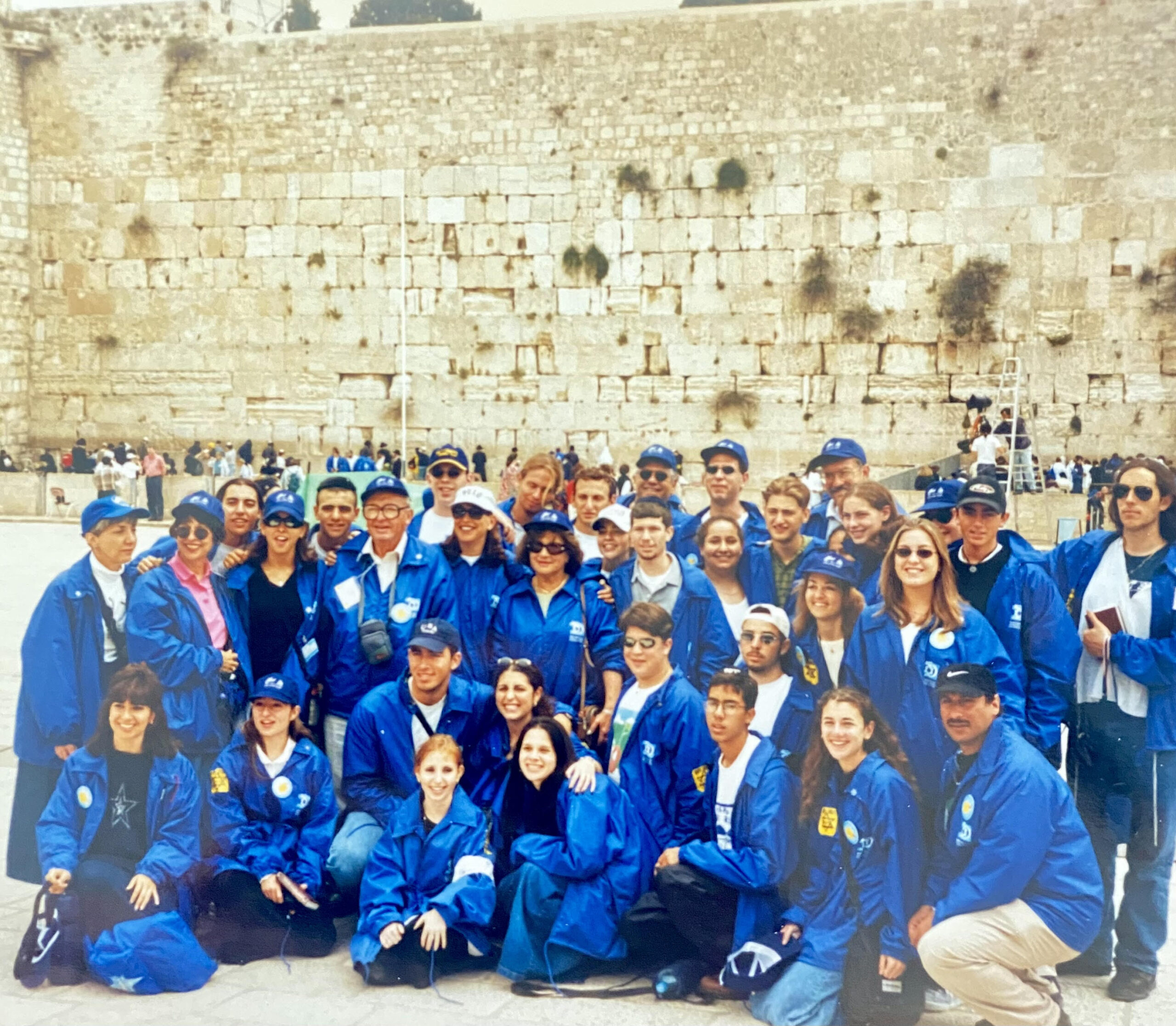
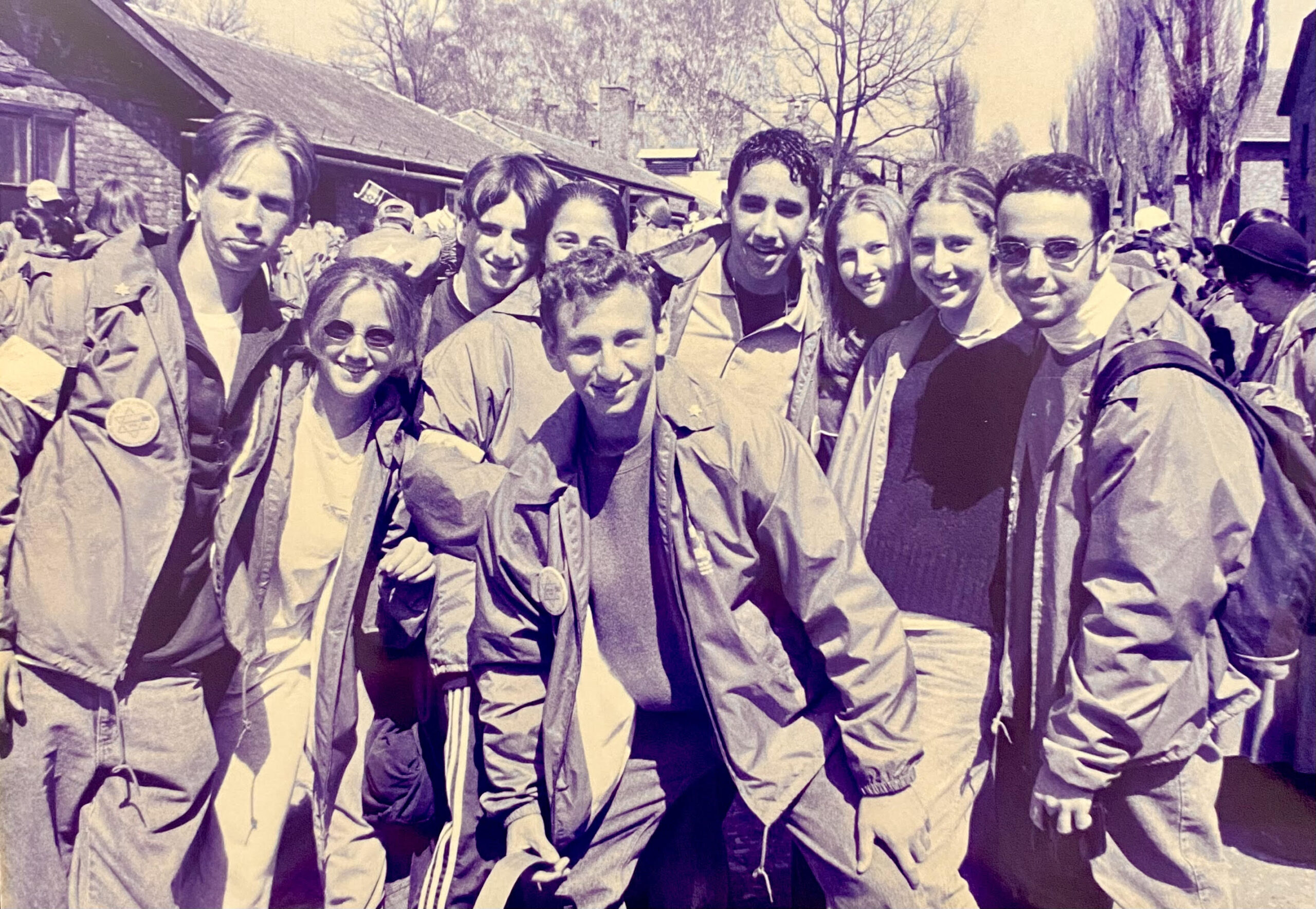
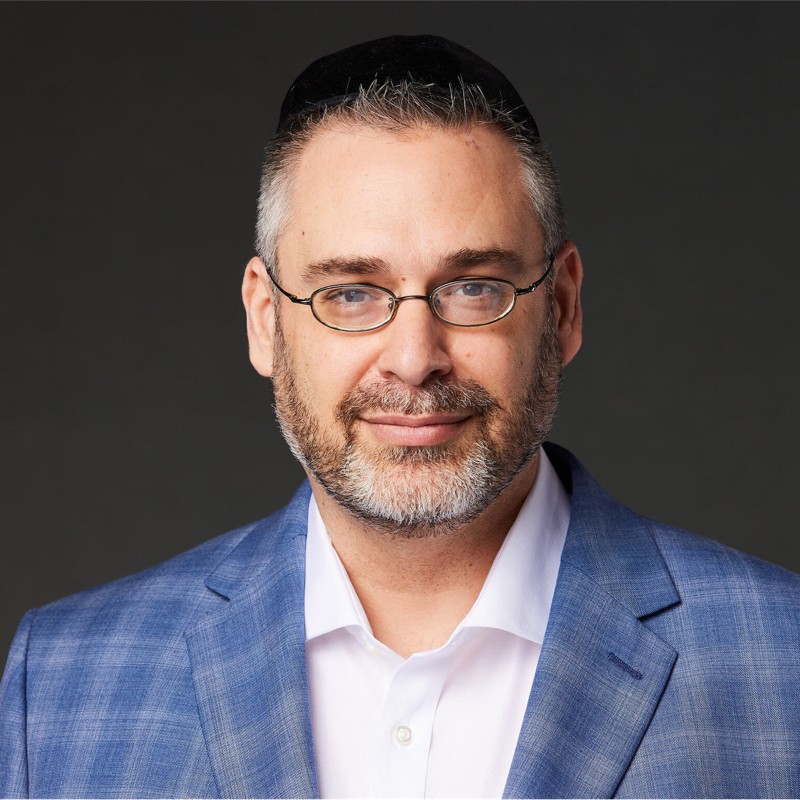
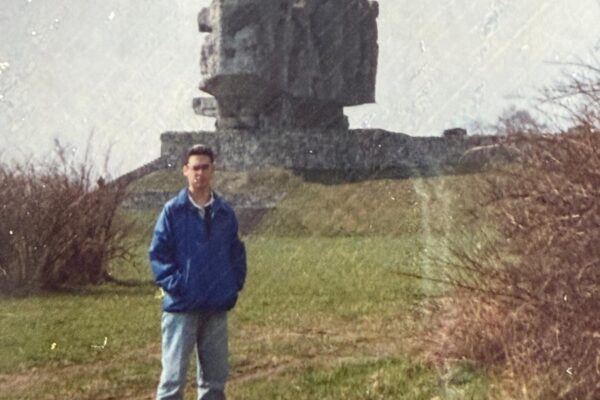
I went on the March of the Living in 11th grade, in 1994. Until then, I had never left the United States. I was a religious Jewish teenager attending public school, living in two worlds that didn't always intersect — my daily American life and my Jewish identity. I thought I understood who I was. The March changed that permanently.
The education leading up to the trip felt less like a high-school program and more like earning a master's degree in Holocaust history. Still, nothing — absolutely nothing — could prepare me for standing in the places themselves.
You can study gas chambers. You can read testimony. You can memorize camp layouts. But stepping inside one erases the distance between history and reality. I remember standing there and realizing that this was not a chapter in a book. This was a room where human beings walked in alive and never walked out. Seeing piles of eyeglasses and personal belongings affected me in a way no photograph ever could. Each pair of glasses had belonged to someone who had plans, relationships, arguments, jokes, and routines. Suddenly six million was no longer a number. It was individuals — multiplied beyond comprehension.
After the march came the moment that still echoes in my memory. Before our flight from Poland to Israel took off the pilot spoke in Hebrew. He said that we had experienced hell — and now he was taking us home. As he revved the engines and lifted into the sky, the emotional shift was overwhelming. We were leaving death and flying toward life.
That week in Israel transformed mourning into continuity. Israel stopped being a concept and became part of our identity. My children have all inherited the education I received from the March — not just facts about the Holocaust, but the responsibility that comes with memory.
Read the Full Article →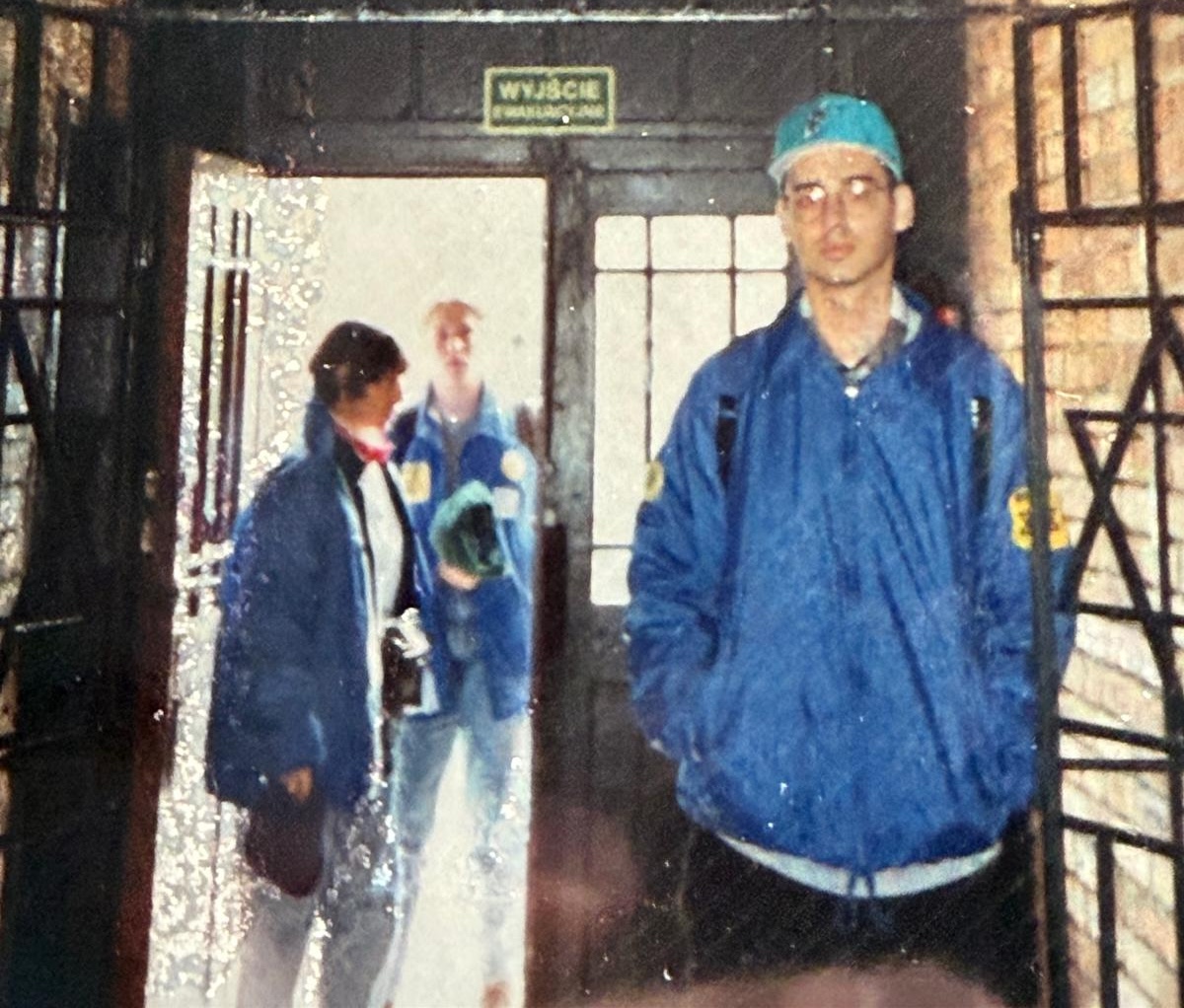
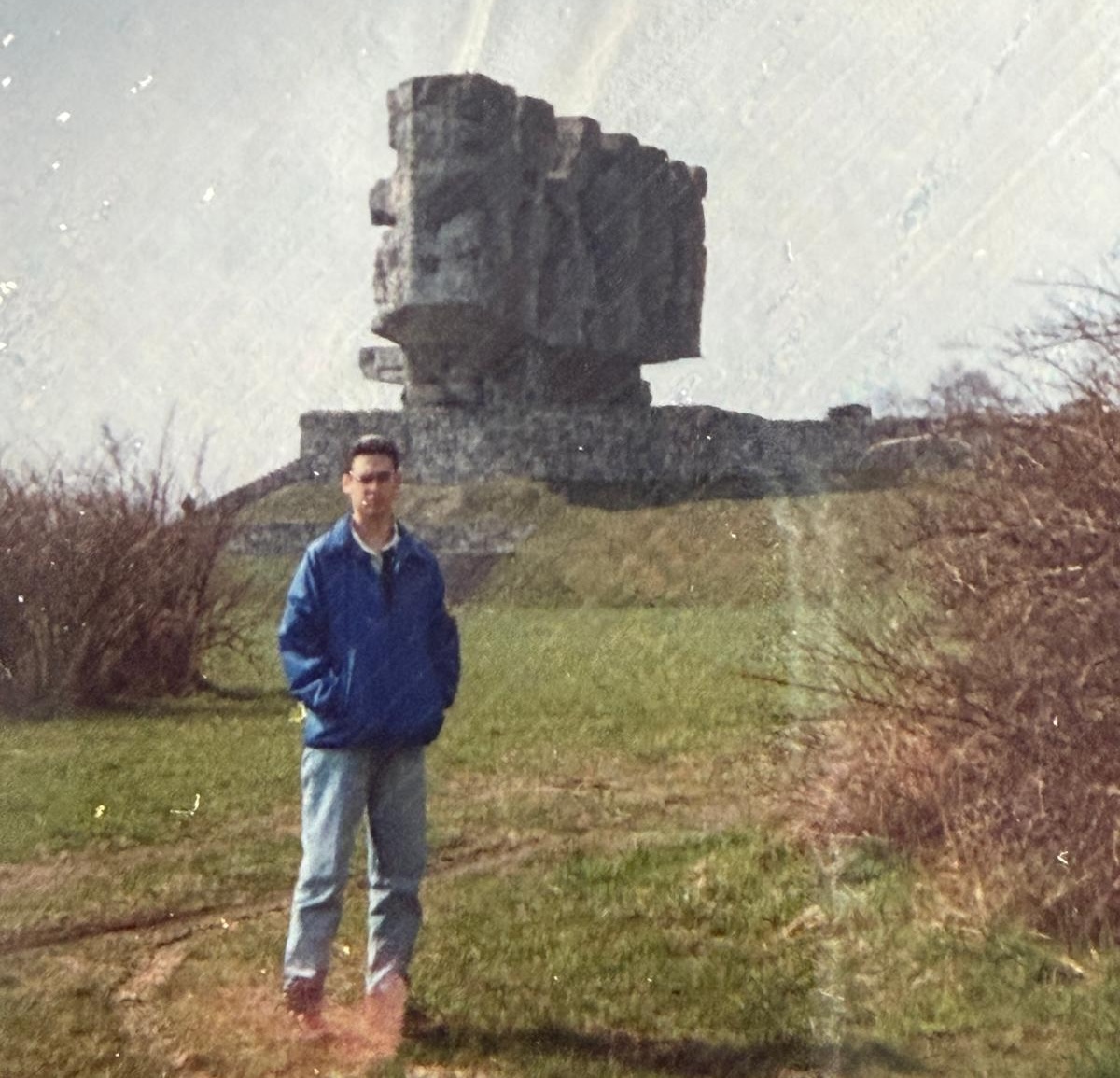
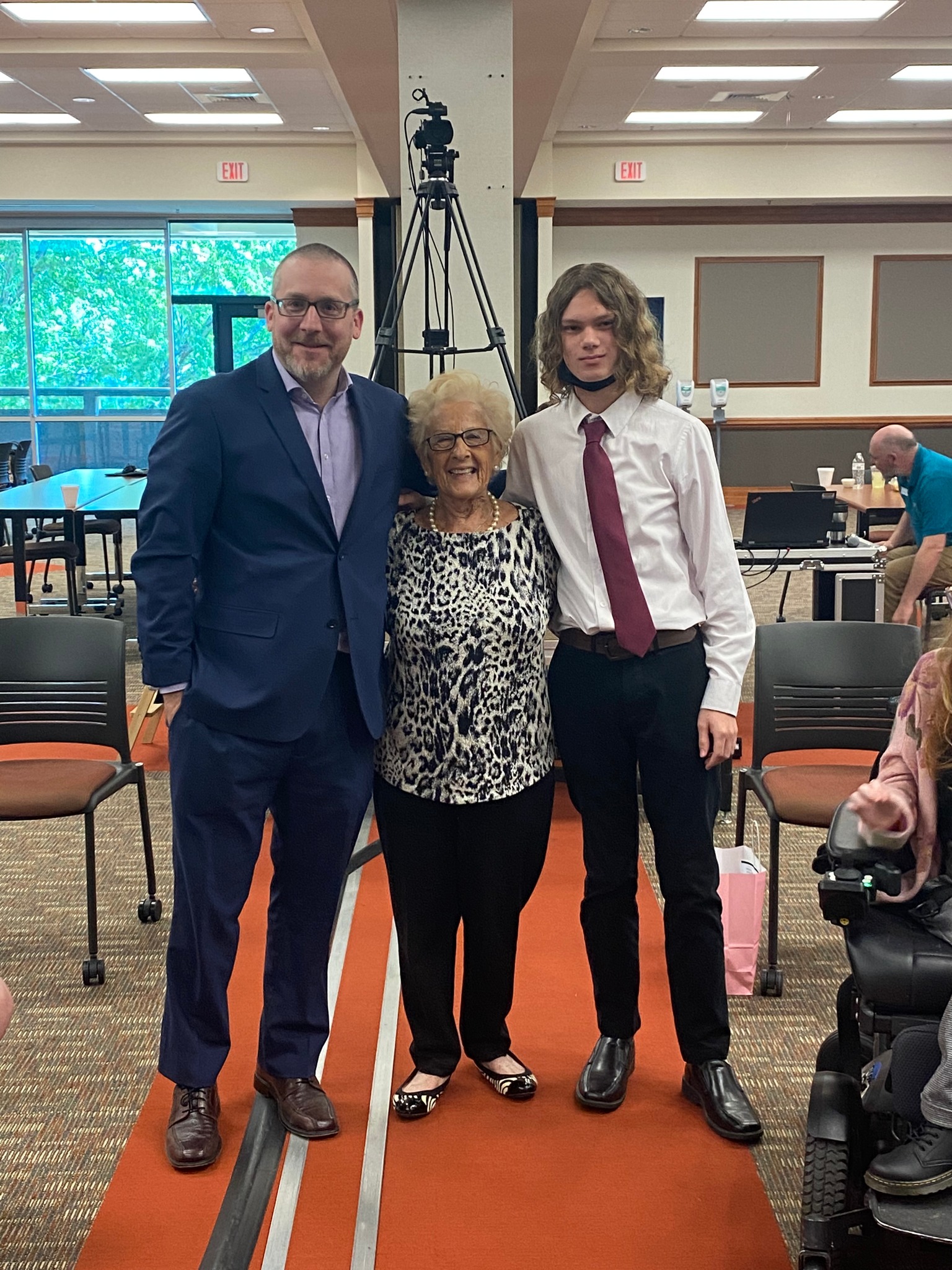
I grew up in Winston-Salem, North Carolina, a small Southern city where Jewish life was quiet and sparse. In my religious school class there were only six of us. Judaism felt important, but distant — something inherited rather than fully lived.
I knew about the Holocaust the way many students do: through textbooks, documentaries, and solemn remembrance days. I understood it intellectually, but it remained abstract, almost unimaginable.
On the March of the Living, I was no longer one of a handful of Jewish kids in a Southern town. I was immersed in a sea of Jewish peers from around the world — so many of us carrying the same ancient history. For the first time in my life, Jewishness was not a minority identity.
Yet we were gathered not for celebration, but to confront the darkest chapter of our people's story. That contrast — vibrant Jewish youth standing in places built for our annihilation — was overwhelming and transformative.
On the March of the Living history stopped being history. In a world where some deny or distort the Holocaust, there was no room for doubt there.
The march transformed my identity. Judaism was no longer just a religion I practiced occasionally. It was a people I belonged to — a global family bound by history, resilience, humor, memory, and hope. The experience awakened a deep sense of connection and responsibility within me.
Standing in the shadow of genocide made the existence of a Jewish state feel not political, but existential — a living answer to the question of survival.
To MARCH is to walk through the valley of death. To keep marching afterward — in our communities, our identities, and our choices — is to choose life.
In that sense, the March of the Living is not a single event.
It is a lifelong journey.
And I am still walking.
Read the Full Story →