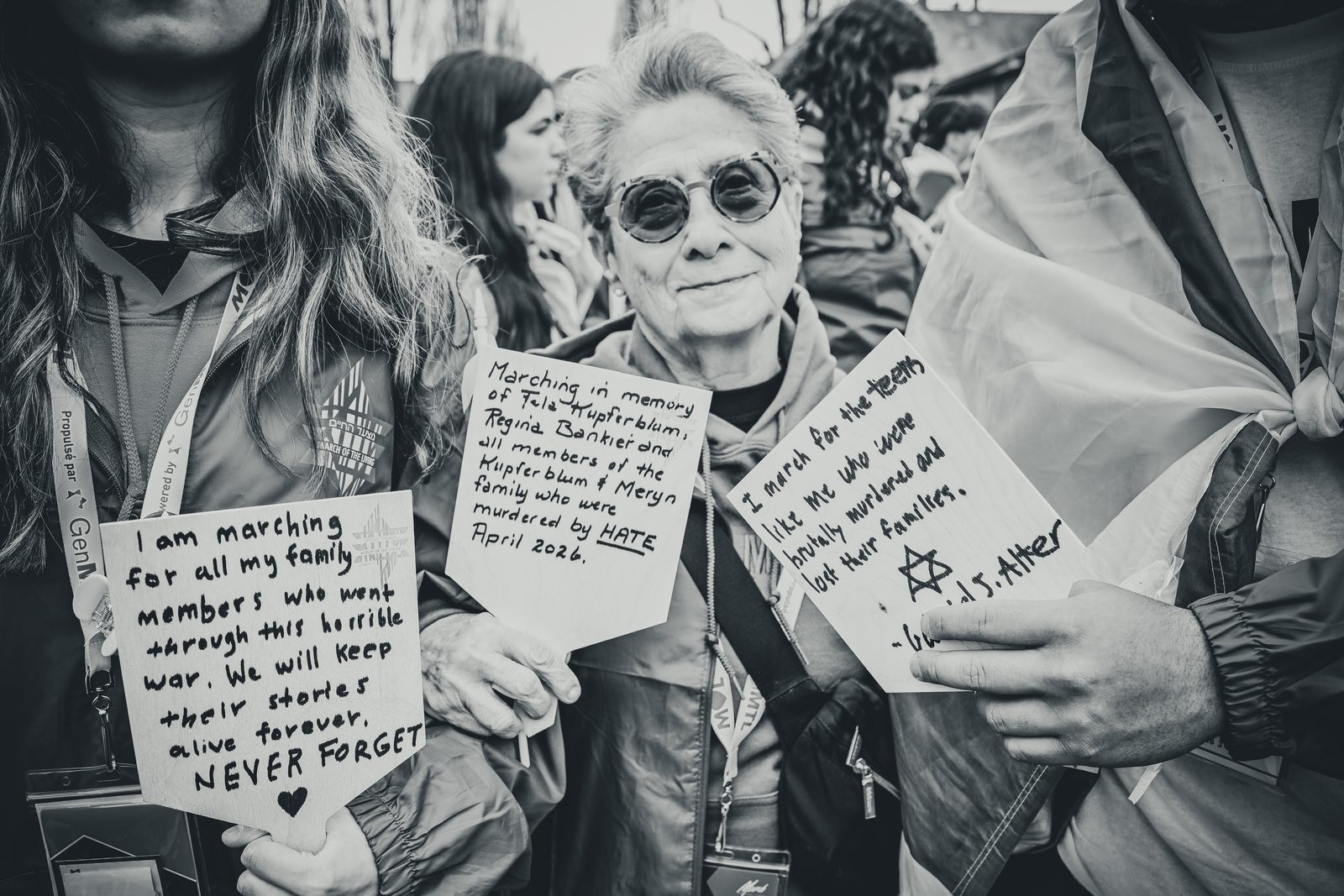
In her open letter for the new academic year, the lifelong educator warns that “intelligence without conscience is not enough” and calls on students to challenge misinformation, defend their classmates and choose dialogue over slogans: “Antisemitism is not only a Jewish problem; it is an assault on truth, human dignity and the values education is meant to defend.”
Dear Students,
My name is Eva Kuper. I am a Holocaust survivor and a lifelong educator. I was born in Warsaw in 1940, confined with my family in the Warsaw Ghetto and saved from deportation as a small child. I survived the war in hiding. My mother did not survive.
As you begin a new academic year, you are probably thinking about classes, friendships and the future you hope to build. I ask you to think as well about the kind of person you intend to become.
I learned early how quickly a society can lose its moral bearings. The Holocaust did not begin with the gas chambers. It began with words, propaganda, exclusion and the gradual acceptance of the idea that some people mattered less than others. It advanced because hatred was organized and too many people remained silent.
The academic world was not immune. Beginning in 1933, Jewish professors in Nazi Germany were dismissed and Jewish students faced growing restrictions. By 1938, they had been excluded from German universities altogether. Institutions devoted to knowledge can still fail their purpose when prejudice replaces truth and intimidation replaces inquiry.
That is why education must be more than preparation for a career. It should teach you to think critically, distinguish evidence from assertion and understand that intelligence without conscience is not enough.
You are entering campuses at a time when information travels in seconds and falsehood often moves faster than fact. Slogans can replace serious thought, while outrage is rewarded more readily than understanding.
Many Jewish students are also returning with fears that earlier generations hoped would not return. Some have been isolated or intimidated. Some have wondered whether to conceal symbols of their identity, avoid certain spaces or remain silent about who they are. No student should be made to feel that way. Antisemitism is not only a Jewish problem; it is an assault on truth, human dignity and the values education is meant to defend.
A university should be a place where ideas are tested through reason, disagreement leads to honest dialogue and every student can learn without fear. Dialogue is one of our strongest defenses against prejudice: it tests assumptions, makes room for lived experience and allows us to encounter a person rather than a stereotype. It does not require agreement. It requires intellectual honesty and recognition of another person’s humanity.
The answer to hatred is not more hatred. But neither is it silence. The answer is dialogue joined with courage: to question misinformation, listen before judging, speak truth without dehumanizing and defend another person’s dignity even when doing so carries a cost.
Stand beside classmates who face prejudice because of their religion, race, ethnicity or background. Build friendships across difference and create opportunities for honest conversation. Choose dialogue over slogans, curiosity over assumption and truth over convenience. A conversation may seem like a small act, but it can interrupt prejudice before it hardens into hatred.
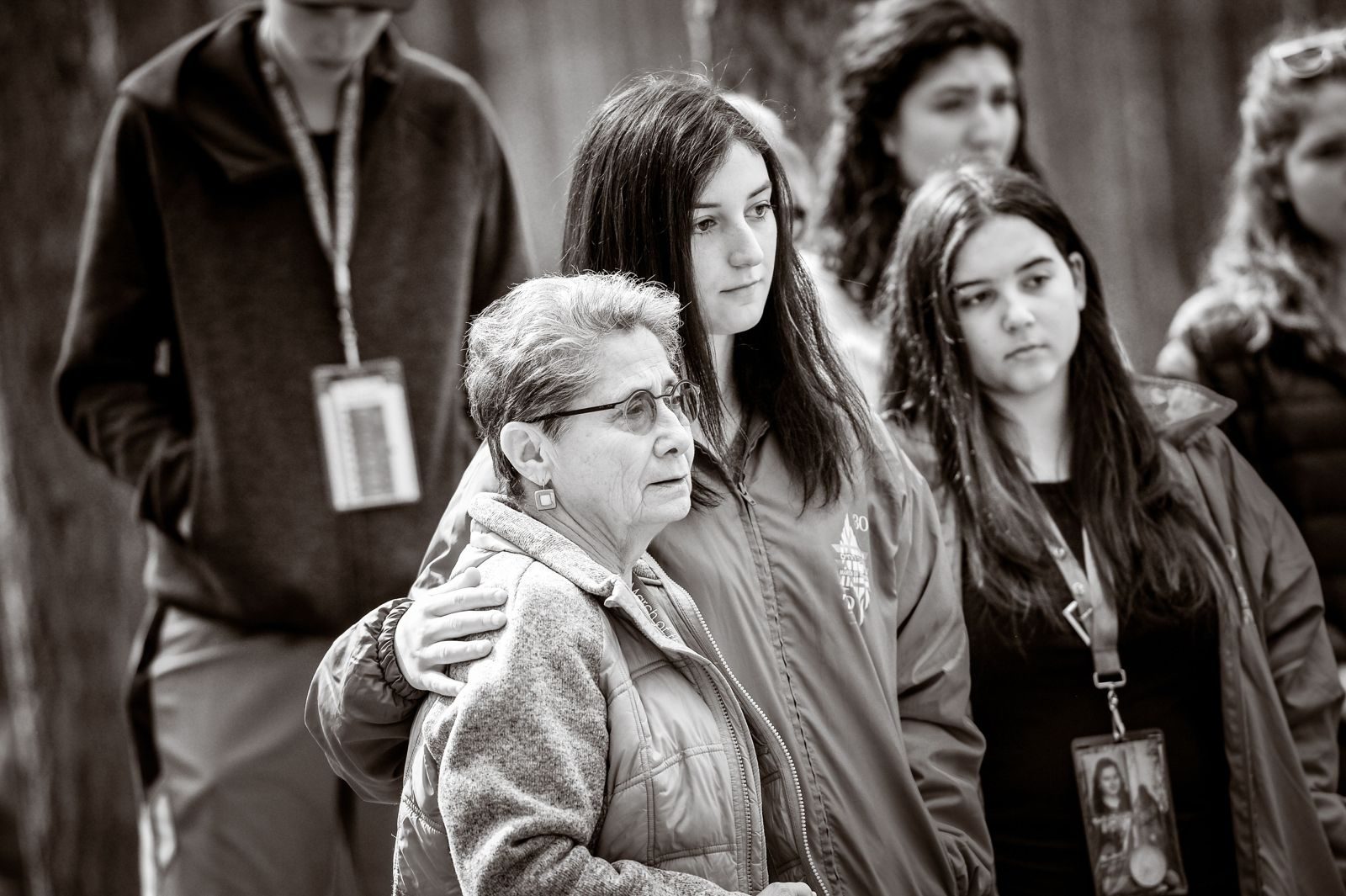
I spent my professional life in education and educational administration, teaching and leading programs for children and adults. Since retiring, I have shared my testimony with thousands through the Montreal Holocaust Museum, where I serve on the Board, and with students on March of the Living journeys to Poland. Again and again, I have seen young people listen, reflect and change. That is why I still have hope.
Soon, survivors will no longer be able to tell you in person what we witnessed. Our memories—and the responsibility to recognize lies, dehumanization and indifference—will pass into your care.
As you begin this academic year, I hope you leave your classrooms with more than knowledge. I hope you leave with wisdom, compassion and the courage to stand for what is right. Build a future worthy of those who did not live to see it, and of every generation still to come.
Sincerely,
Eva Kuper
Holocaust Survivor and Educator
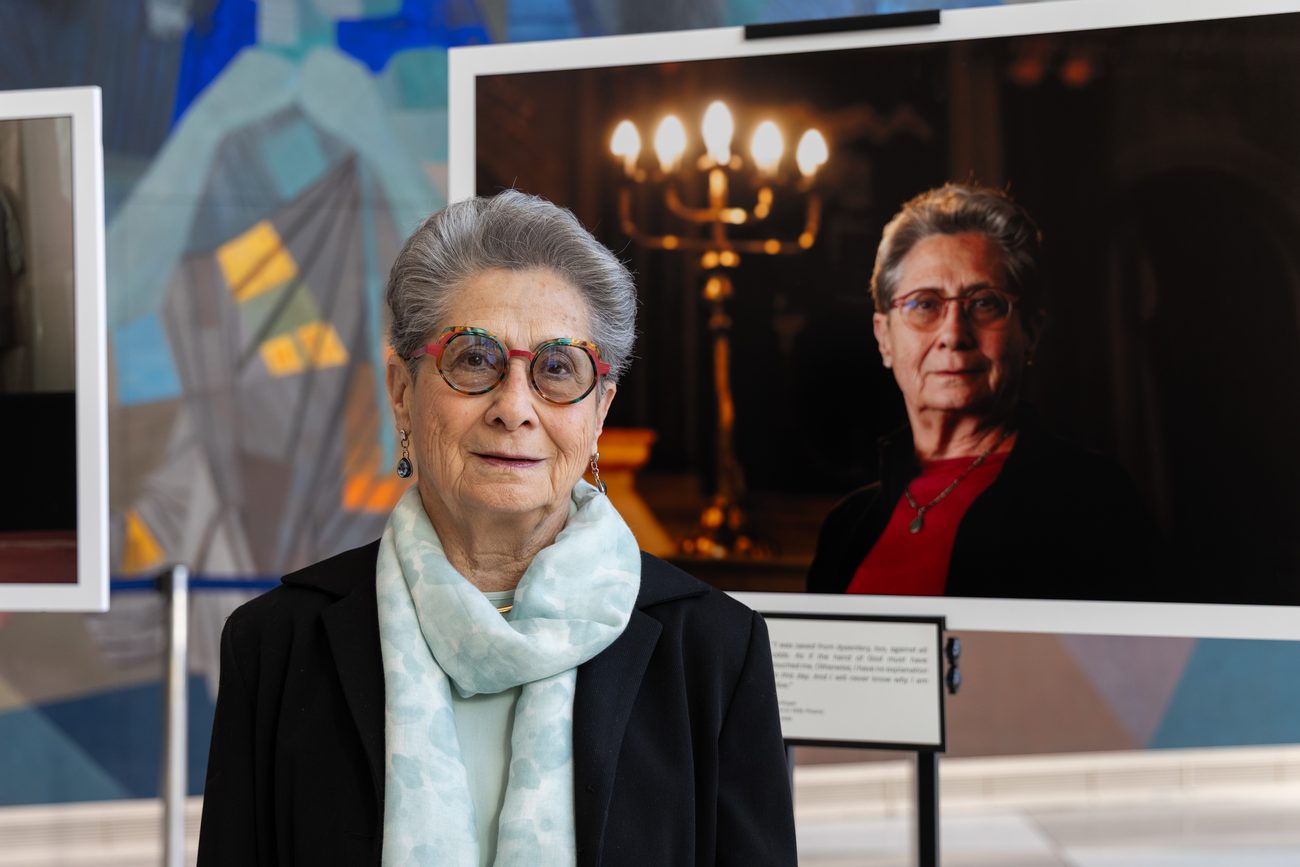
About Eva Kuper
Eva Kuper is a Holocaust survivor and lifelong educator. Born in Warsaw in 1940, she was confined with her family in the Warsaw Ghetto and survived the Holocaust in hiding. She has shared her testimony with thousands of people through the Montreal Holocaust Museum and on March of the Living educational journeys to Poland.
Share Eva’s message
Pass this letter on to a student who needs to read it.