When We March Together
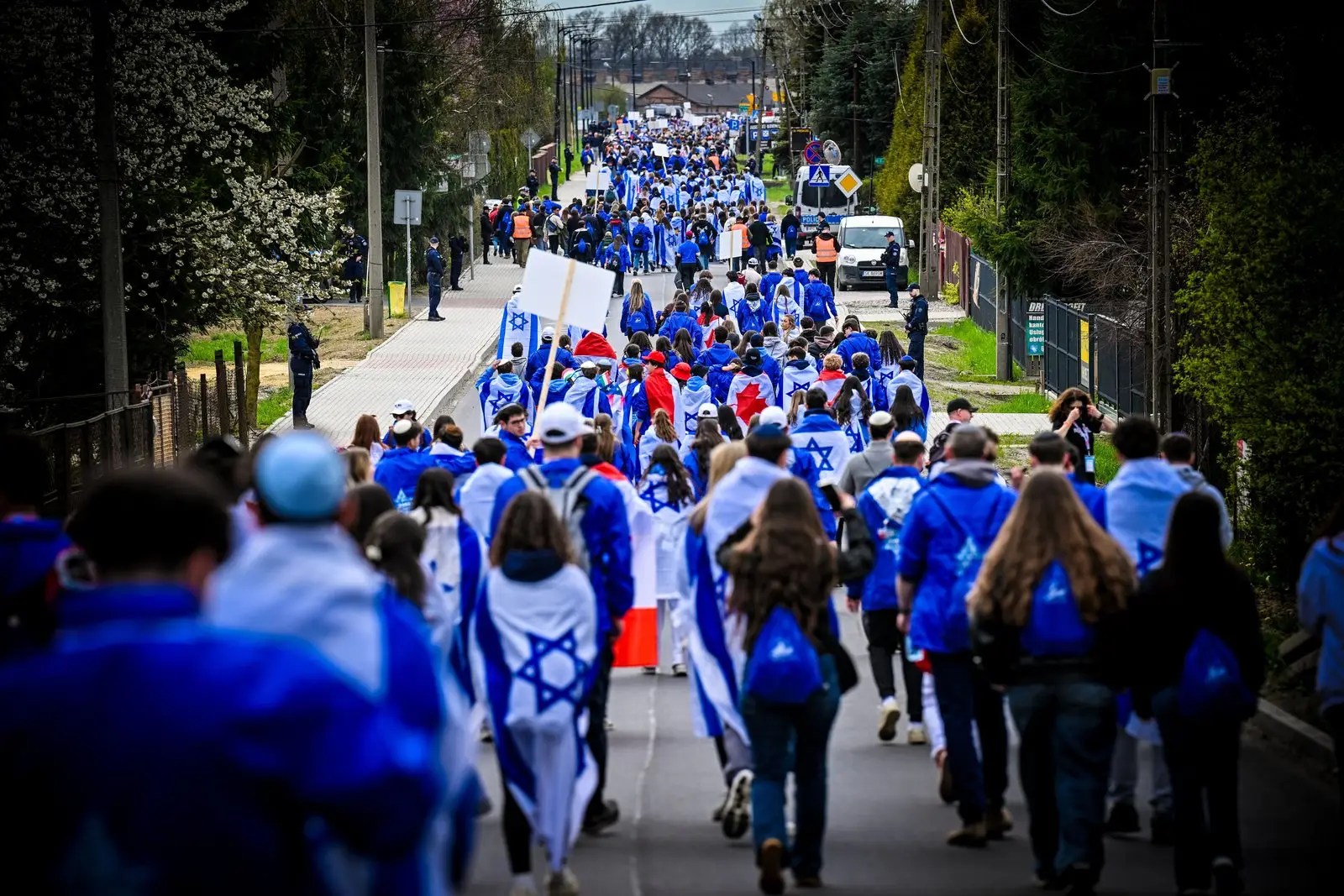
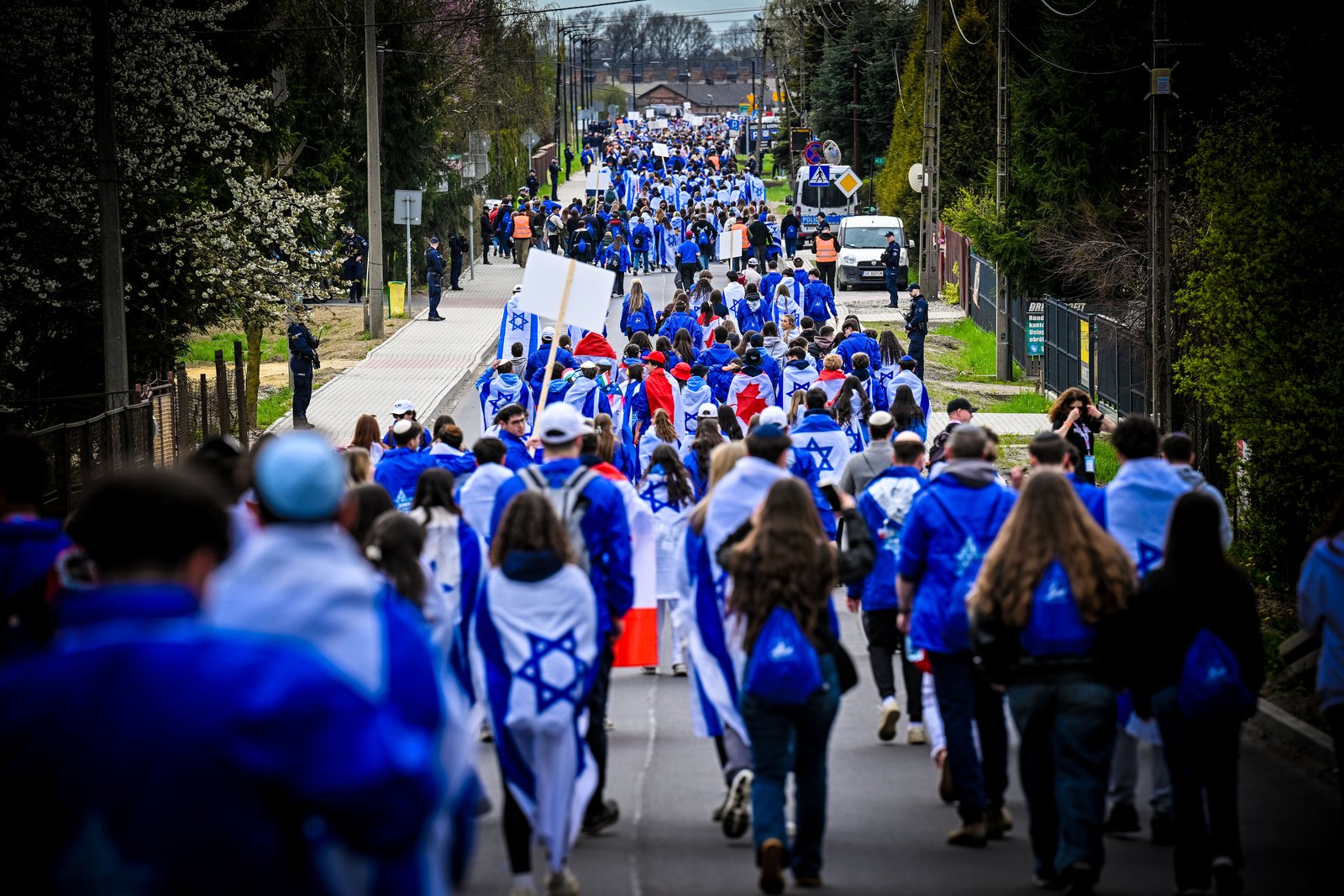
As we celebrate Sukkot, we also celebrate the power of coming together at the International March of the Living. On the road from Auschwitz to Birkenau, a long procession of blue jackets and flags becomes a powerful display of unity.
Sukkot is the great Jewish festival of hospitality. We open the fragile walls of the sukkah and invite in the ushpizin, guests from across generations, while welcoming family, friends and strangers to sit beneath one shared roof. For seven days, the sukkah reminds us that belonging is not created by walls of stone, but by the people we gather inside, the stories we tell and the memories we pass from one generation to the next.
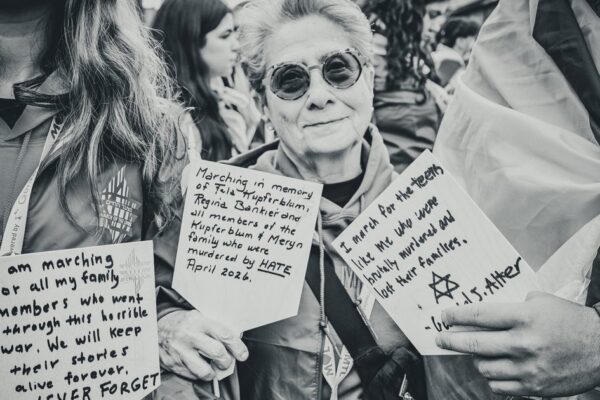
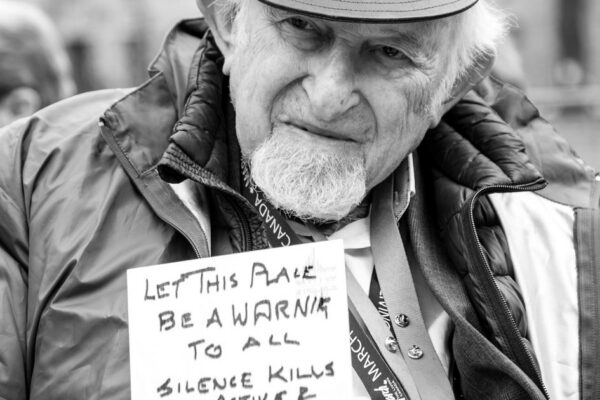
At the International March of the Living we create one big sukkah of memory and continuity, stretching across countries, communities and generations. It has no canvas walls or roof of branches. Instead, it is formed by thousands of people who gather on Yom HaShoah at Auschwitz-Birkenau to remember those who were murdered and to honor the Holocaust survivors who march beside us.
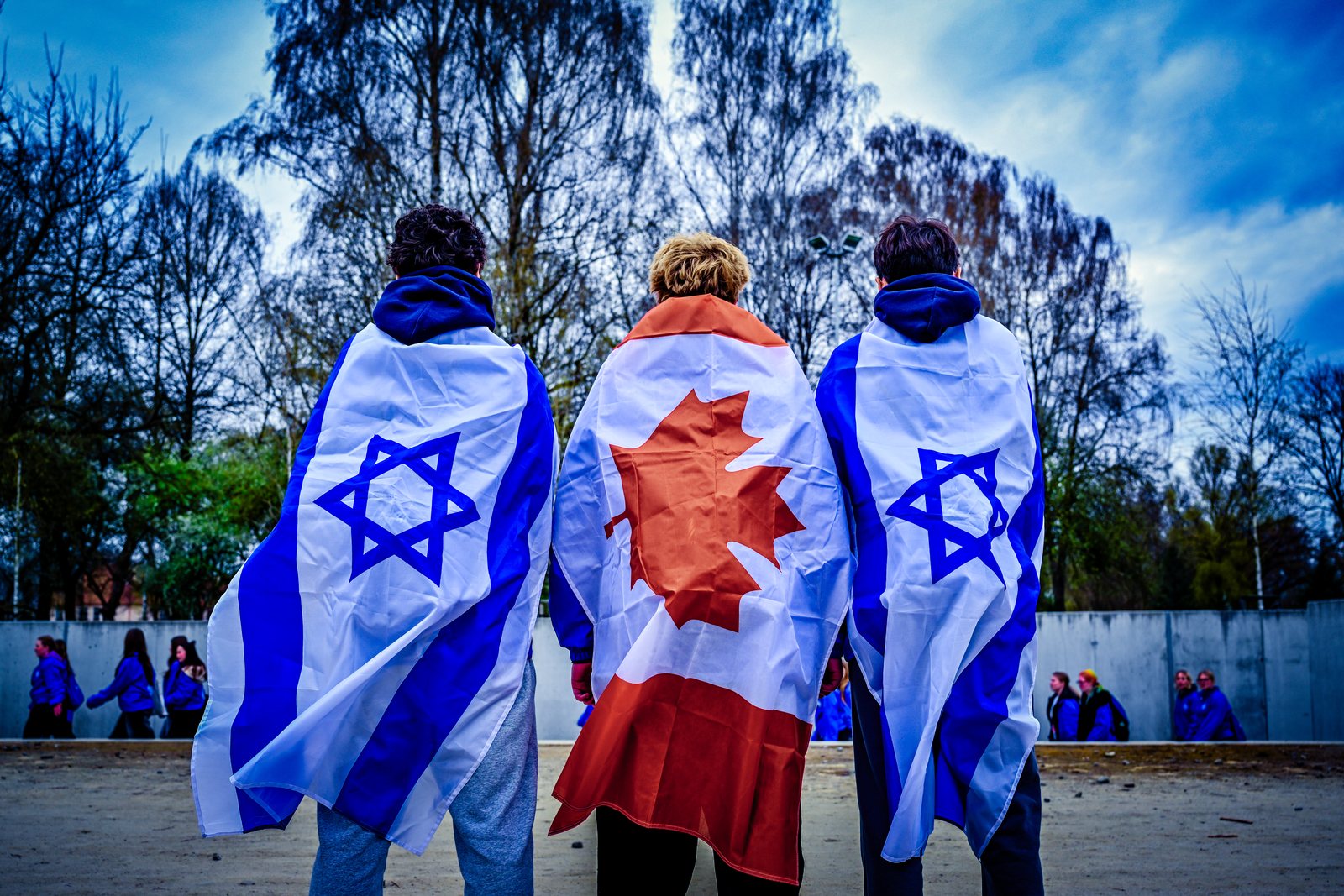
Every year, the March brings together thousands of teenagers and adults from dozens of countries to learn, to remember and to commit themselves to ensuring that the Holocaust is neither forgotten nor repeated, against Jews or against any human being.
The road from Auschwitz to Birkenau becomes a long stream of blue jackets and flags, a powerful display of unity. Young people walk beside Holocaust survivors, educators, families and adults. They carry the flags of their home countries and the flag of Israel. Different languages rise from the crowd, but the prayers are shared. For two unforgettable weeks, in Poland and Israel, the March becomes a virtual sukkah large enough to hold them all.
For many young participants, this is also their first encounter with the extraordinary breadth of the Jewish world. They arrive as separate delegations, then meet peers from communities they may never have encountered before. New friendships form, but something deeper grows alongside them: a sense of shared identity and shared responsibility.
Join the March of the Living or help someone else make the journey.
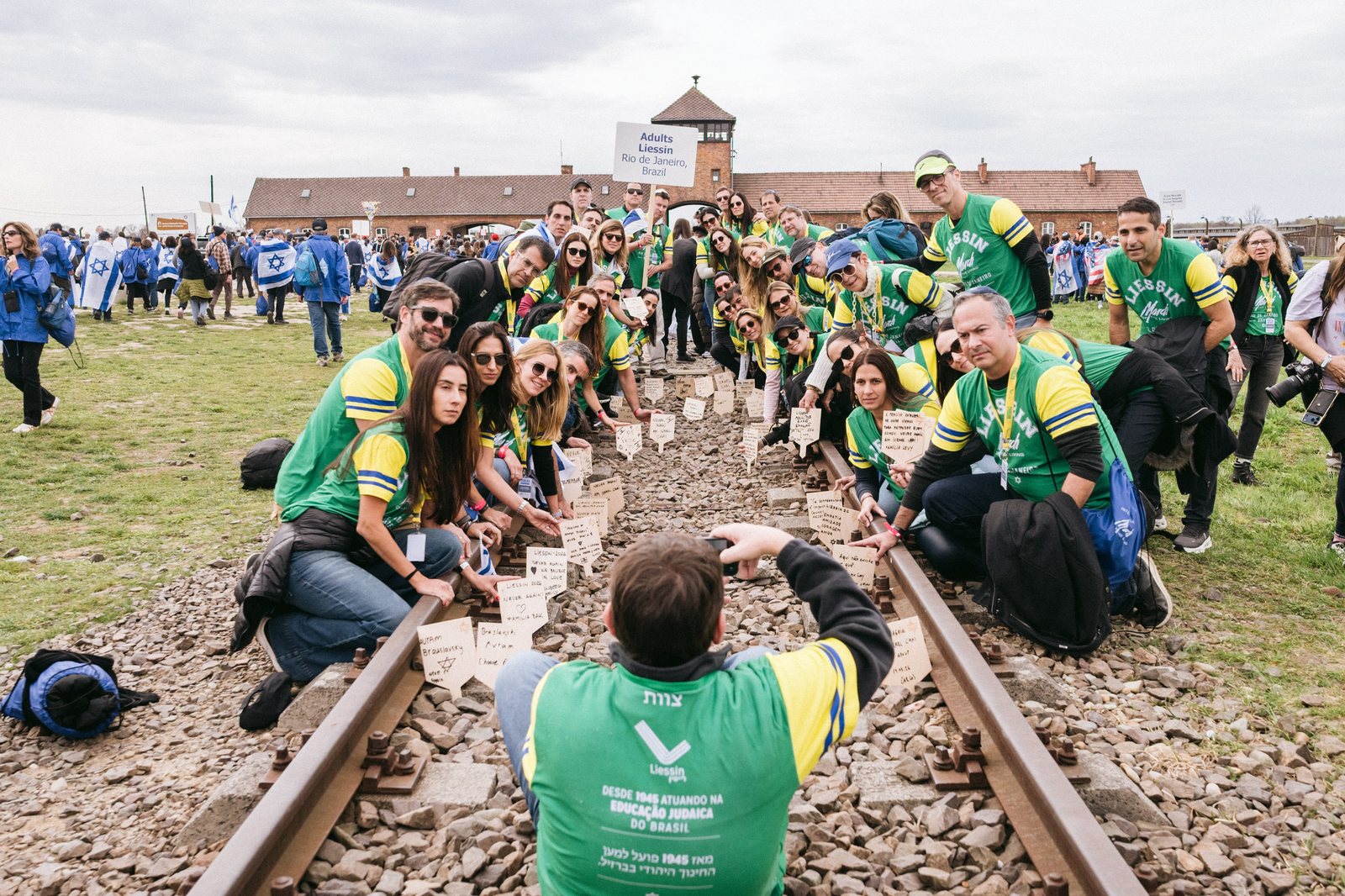
For Lea, a 15-year-old student from New York, the 2025 March transformed the way she understood her place within the Jewish community. The difficult encounter with the concentration and death camps did not leave her only with grief. It also revealed the strength of Jewish continuity and gave her a sense of safety and belonging at a time of rising antisemitism.
"Words cannot describe how devastating it was to spend time in the concentration and death camps. However, it made me feel such immense pride for how far we've come as Jewish people today. The journey home to Israel was beautiful and it filled me with so much strength and love for my religion. In times like these where antisemitism is lurking around every corner, I finally felt safe and loved within this community. This trip allowed me to finally find my people.”
That discovery is especially powerful for young people whose Jewish lives have unfolded within a single school, congregation or local community. The March expands their map of the Jewish world. Like a sukkah whose doors are open to guests, it shows them that Jewish life is not confined to one familiar circle, but belongs to a vibrant international community capable of standing together in remembrance and mutual support.
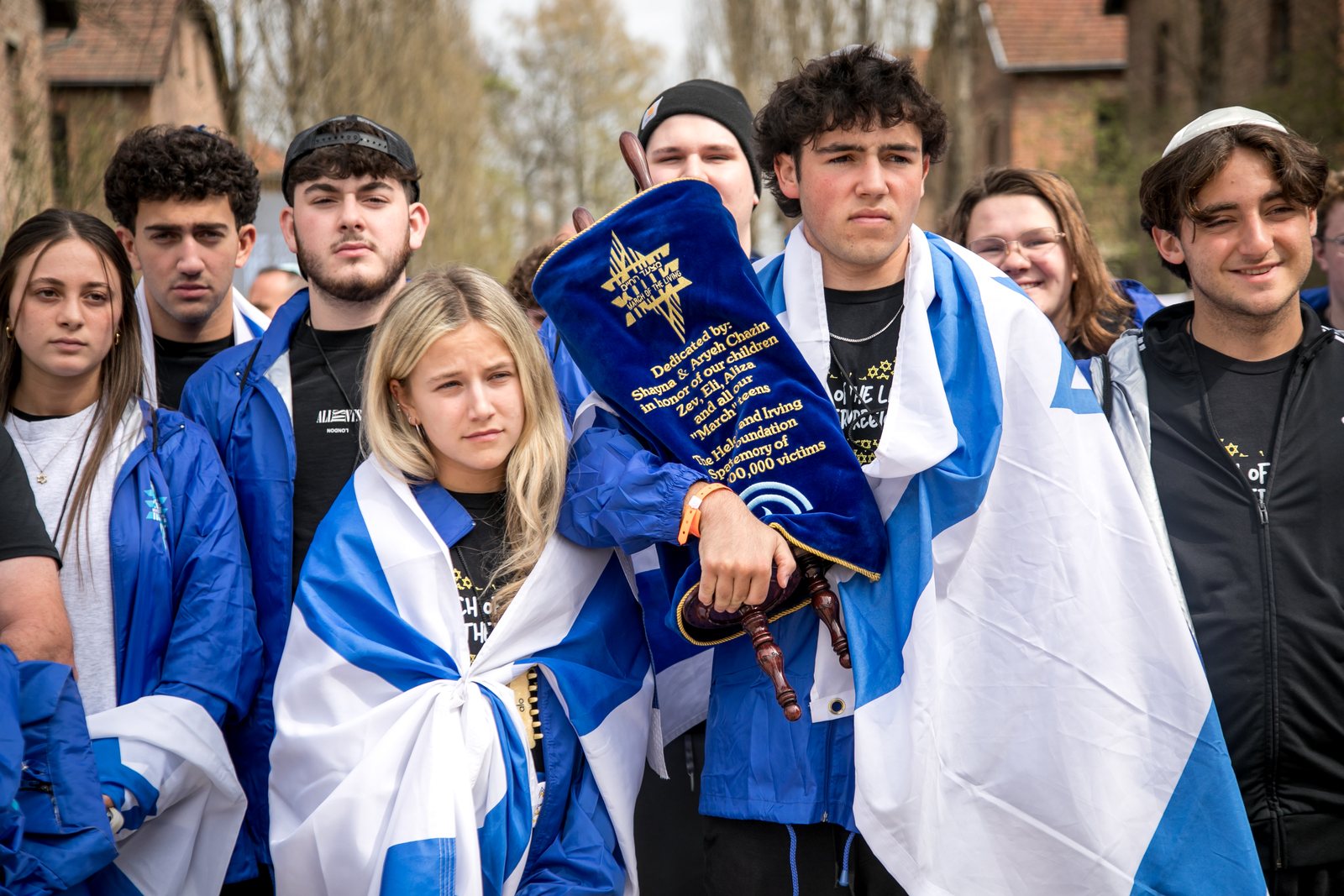
Josh from Toronto experienced that transformation when he marched in 2026. Meeting Jews from around the world reshaped his understanding of Jewish identity and revealed the power of a community united across borders.
“The March of The Living has helped me shape my Jewish identity, understand the Jewish international community and realize how important it is to support Israel. Prior to going on the March, I did not realize how powerful the Jewish community could be when we were all together, as I had only been surrounded by one Jewish group. However, after being around Jews from all over the world, and marching with them from Auschwitz, I realized how special it was to be able to have a strong, vibrant International Jewish community. Together, although not knowing each other prior, we were able to support each other and agree on our support for Israel.”
The meaning of that unity is intensified by the place in which it unfolds. Auschwitz-Birkenau was designed to isolate, dehumanize and murder. During the March of the Living, the same landscape fills with survivors and young people, flags, voices and Jewish prayers. Remembrance remains at the center, but the presence of Jewish life becomes its own answer to the attempt to erase it.
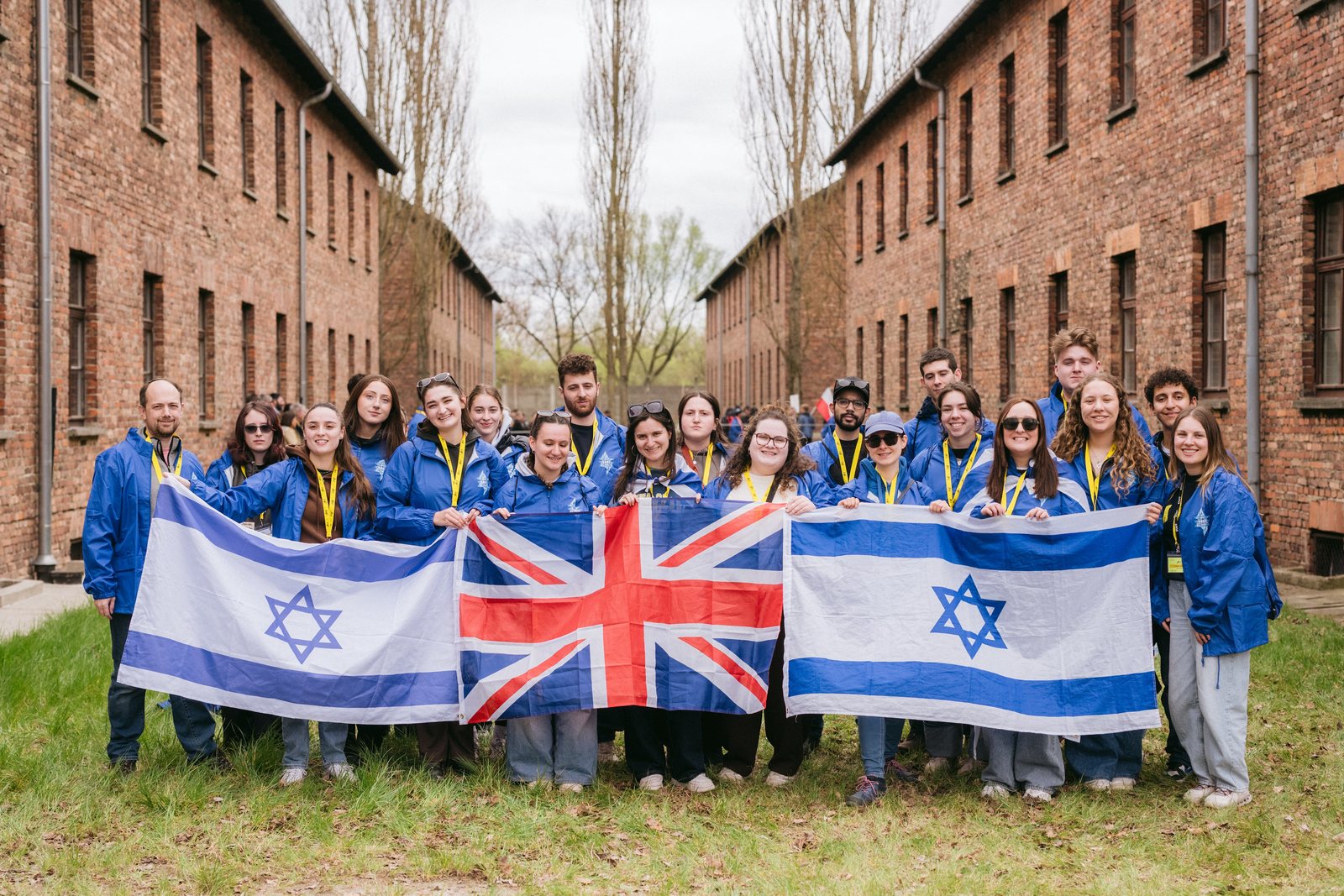
Cece from the UK delegation reflected on the resilience revealed by the March: “In Birkenau the grass was waving in the wind, and wildflowers had bloomed. Even with the death laying beneath the surface, these flowers had grown in a place meant for death. This, for me, was hope. Hope for life, the resilience of a people. These flowers are a reminder that despite death and destruction, we are still here. Marching alongside Holocaust survivors and people from all over the world singing the songs of our people, we bloomed.”
Like the holiday of Sukkot, the March lasts only a short time, but the experience travels home with its participants. They return with friendships that cross borders and a more personal connection to Jewish history and identity. They discover that they are part of a living, global people and that they have been welcomed into a story much larger than themselves.
At the end of Sukkot, the sukkah is taken down but what happened within it remains. In the same way, the flags of the March will eventually be folded, the delegations will fly home and the road between Auschwitz and Birkenau will grow quiet again. But the young people who walked it will remember what it felt like to stand beneath one symbolic roof with survivors and Jews from every corner of the world. They will remember that they were not alone. They will carry home a sukkah of memory built from testimony, a sukkah of unity built from shared experience and a sukkah of continuity that they themselves must now extend to the next generation.
Join the March of the Living 2027 or make a Sukkot gift to help a student take part.